
The 8 dimensions of wellness
The 8 dimensions of wellness: a practical UK guide
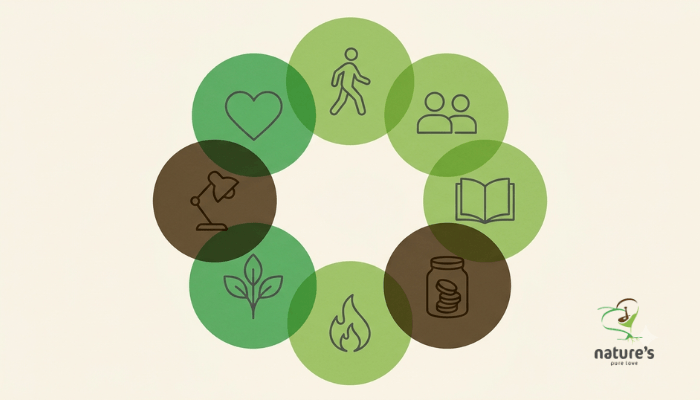
Most of us think about wellness as one thing. Eat a bit better, move a bit more, sleep when we can. Yet the way you feel on any given day rarely comes down to a single habit. It comes from how several parts of your life are getting along at once.
That is the idea behind the eight dimensions of wellness, a model developed by Dr Peggy Swarbrick in 2006 and later adopted by the US Substance Abuse and Mental Health Services Administration (Swarbrick, 2006). Rather than treating health as your body alone, it looks at eight connected areas of life and how each one supports the others. When one area is under strain, the others often feel it too. When one improves, it tends to lift the rest.
You do not need to be perfect in all eight. Nobody is. The point is awareness, so you can notice which area needs a little care this month and give it some gentle attention.
What are the eight dimensions of wellness?
The eight dimensions are emotional, physical, social, intellectual, spiritual, environmental, occupational and financial. Swarbrick drew them as overlapping circles on purpose, because they lean on one another. A tough week at work can disturb your sleep. Money worries can strain a friendship. A daily walk can steady your mood. None of these areas sit in isolation.
Here is what each one covers, and a few small, realistic ways to tend to it.
Emotional wellness
Emotional wellness is your ability to recognise your feelings and cope with life's ups and downs, what the NIH calls the ability to handle life's stresses and adapt to change. It is not about feeling happy all the time. It is about meeting difficult feelings without being flattened by them.
Small steps help more than grand gestures. Naming what you feel, rather than pushing it down, is a start. So is giving yourself permission to rest without guilt. Many people find that a short daily check-in, even two quiet minutes with a cup of tea, makes the day feel less hurried. If low mood or worry has stayed with you for weeks, please speak to your GP. Emotional wellness includes knowing when to ask for support, and our guide to putting yourself first has gentle ideas for building that habit.
Physical wellness
Physical wellness is about caring for your body through movement, food, sleep and rest. You do not have to train like an athlete. The NHS recommends that adults aim for at least 150 minutes of moderate activity across the week, along with muscle-strengthening on two days, and it is clear that any activity is better than none.
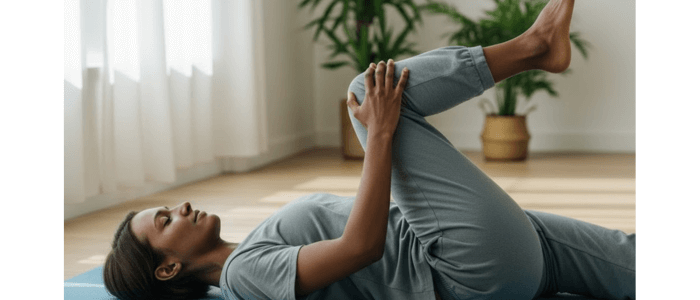
Movement can be gentle and still count. A brisk walk, a swim, some gardening, a bit of dancing in the kitchen. If pain or fatigue makes exercise feel out of reach, our piece on adapting mindful movement shows how to work with your body rather than against it, and our chronic pain guide offers steadier, day-to-day approaches. Food matters here too. Rather than chasing a strict plan, many people do better with balanced, regular eating, and one-to-one nutritional counselling can help you shape that around your own life instead of a template.
Social wellness
Social wellness is the sense of belonging that comes from your relationships and community. Good relationships are associated with better mental wellbeing, and the NHS lists connecting with other people as one of its five steps to feeling more positive.
This one is easy to neglect when life gets busy. A quick message to a friend, a shared meal, a hobby group, a chat with a neighbour. These moments add up. Caring roles can make social wellness harder to protect, which is something we wrote about in our piece on self-care for special needs parents. If your circle feels small right now, that is common, and it can change slowly with small, repeated effort.
Intellectual wellness
Intellectual wellness is keeping your mind curious and engaged. It has little to do with formal education and everything to do with learning things that interest you.
The NHS notes that learning new skills may support wellbeing by building a sense of purpose and self-worth. That could be a language, a recipe, a musical instrument, or simply reading about something you have always wondered about. Puzzles and creative hobbies count. So does a good conversation that stretches how you think. The aim is not productivity. It is the quiet satisfaction of staying interested in the world.
Spiritual wellness
Spiritual wellness is your sense of meaning and purpose. For some people that is religious faith. For others it is time in nature, meditation, or a set of values they try to live by.
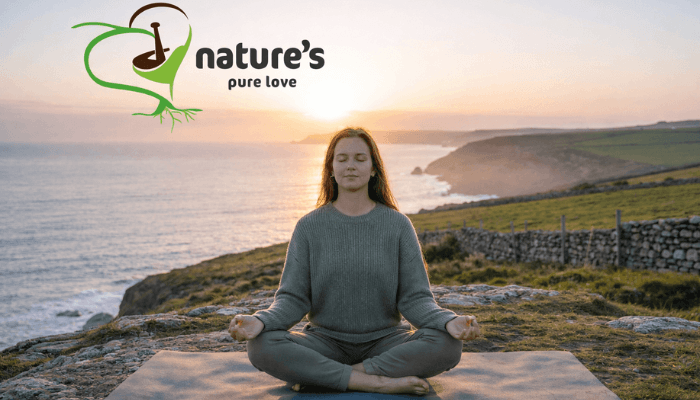
You do not need a label for it. Many people find a few minutes of stillness each day helps them feel more grounded, which is part of why we built breathwork and gentle movement into our approach to meditation in nature. Ask yourself what matters to you and whether your days reflect it, even a little. That gentle honesty is often where a steadier sense of purpose begins.
Environmental wellness
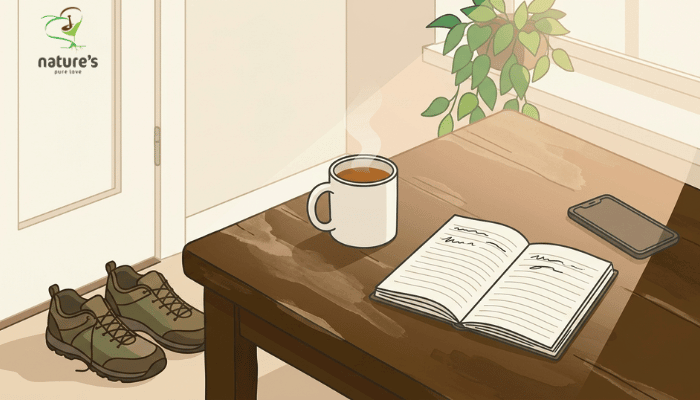
Environmental wellness is about the spaces you spend time in, from your home to the wider world around you. Cluttered, chaotic surroundings can weigh on the mind. Calm, orderly ones tend to soothe it.
You cannot control everything about your environment, but small changes are within reach. Opening a window for fresh air.
Clearing one surface. Bringing in a plant. Spending time outdoors, which is associated with better mood for many people. Even a tidy corner that is only yours can give you a place to breathe.
Occupational wellness
Occupational wellness is finding satisfaction and balance in the work you do, paid or unpaid. Work fills a large share of most weeks, so how it feels matters a great deal to overall wellbeing.
This dimension is not only about loving your job. It is about balance, boundaries and a sense that your effort has value. Taking your actual breaks. Learning to say no when your plate is full. Noticing the parts of your role that you find meaningful. If work has tipped into constant stress, that is worth addressing early, because occupational strain rarely stays neatly within office hours.
Financial wellness
Financial wellness is feeling reasonably in control of your money and secure about the future. It is one of the two dimensions Swarbrick added later, after working with people for whom money was a daily source of stress.
Financial worry is one of the most common causes of stress in the UK, and it seeps into sleep, mood and relationships. You do not need to be wealthy to feel steadier here. A simple budget, a small emergency fund built slowly, and honest conversations about money can all reduce the background hum of worry.
If debt feels overwhelming, free and confidential help is available, and reaching for it is a sign of strength.
How the eight dimensions fit together
The reason this model works is that the dimensions are connected. Sleep sits inside physical wellness, yet a good night also steadies your mood, sharpens your thinking and, honestly, makes other people easier to be around. One habit ripples outward.
This is also why you should not try to fix all eight at once. Pick the one that feels most out of balance right now and give it a fortnight of gentle attention. As it settles, you will often notice a lift in the areas next to it. For people who want a structured way to work through several dimensions together, our holistic wellness programmes offer a supported path, and some people choose to add well-chosen natural supplements to their routine, which may complement healthy habits rather than replace them.
Whatever you choose, go at your own pace.
Balance is not a finish line. It shifts with the seasons of your life, and that is exactly as it should be.
Where to begin this week
You do not need a plan for all eight dimensions. You need one small thing you can start today.
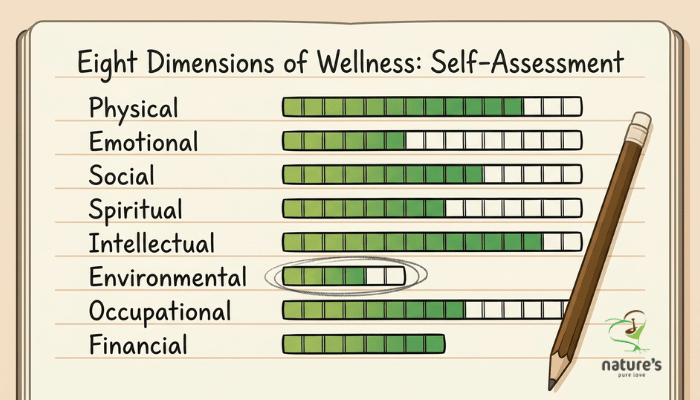
Try this. Take two minutes and rate each dimension out of ten, going on gut feeling rather than careful thought. The lowest score is usually where a little attention will be felt most. Then pick one action so small it feels almost too easy. A ten-minute walk. One early night. A message to a friend you have been meaning to reach. Even texting someone back counts.
Keep it going for a fortnight before you judge it. Habits rarely feel different on day three. Around week two, most people notice a change, and not only in that one dimension but in the areas beside it, which is the whole point of the model.
If you would rather not do this alone, that is understandable, and a bit of support helps many people stay consistent. Some find that one-to-one nutritional counselling gives their physical goals a clearer shape, while others prefer a structured programme that touches several dimensions at once. There is no single right route. The best one is the one you will actually keep.
Your questions
Frequently asked questions
A few things people often ask about the eight dimensions, and how to use the model without turning it into another thing to get right.
What are the 8 dimensions of wellness?
The eight dimensions of wellness are emotional, physical, social, intellectual, spiritual, environmental, occupational and financial. Developed by Dr Peggy Swarbrick in 2006, the model views health as more than the body alone. Each dimension supports the others, so tending to one area, such as sleep or relationships, often brings benefits across several parts of your life at once.
Who created the 8 dimensions of wellness?
Dr Peggy Swarbrick, an occupational therapist and researcher, developed the eight dimensions of wellness model and first published it in 2006. It was later adopted by the US Substance Abuse and Mental Health Services Administration. Swarbrick added the financial and occupational dimensions after working with people for whom money and meaningful activity were significant sources of daily stress.
How do you balance the 8 dimensions of wellness?
Start by noticing which dimension feels most out of balance right now, rather than trying to improve all eight at once. Give that single area gentle attention for a couple of weeks, such as a daily walk for physical wellness or a weekly catch-up for social wellness. Because the dimensions are connected, small progress in one often lifts the others.
Which dimension of wellness is most important?
No single dimension matters more than the rest, because they support one another, which is why the model is drawn as overlapping circles. The dimension worth focusing on is simply whichever feels most neglected for you at the moment. For someone under money stress that may be financial wellness, while for someone isolated it may be social wellness.
What is the difference between wellness and wellbeing?
Wellbeing usually describes how you feel overall, a general sense of being content and healthy. Wellness describes the active choices and habits that support that feeling, such as moving your body or nurturing your relationships. The eight dimensions of wellness give you a practical map of those areas, so wellbeing becomes something you can tend to rather than simply hope for.
Can you be well in some dimensions but not others?
Yes, and this is completely normal. You might feel strong physically while finances feel shaky, or content at work while relationships need care. Nobody scores highly in all eight at every point in life. The value of the model is awareness, letting you spot which area needs support now and return to the others as circumstances change.
Medical disclaimer: This article is for general information and education only. It is not medical advice and is not a substitute for guidance from a qualified healthcare professional. Nature's Pure Love does not diagnose, treat or cure any condition. If you have a health concern, are pregnant, or take any medication, please speak to your GP or a registered practitioner before changing your routine. In an emergency, call 999 or NHS 111.