
The Guide to Intermittent Fasting
The Guide to Intermittent Fasting: Schedules, Science, Risks, and Realistic Results

Intermittent fasting has grown from a niche wellness idea into a widely discussed eating pattern used for weight management, metabolic improvement, and lifestyle structure.
Although many people compare it to a diet,
intermittent fasting focuses on when you eat instead of what you eat. This time-based approach alternates between eating periods and fasting periods, creating predictable metabolic cycles.
At the centre of intermittent fasting
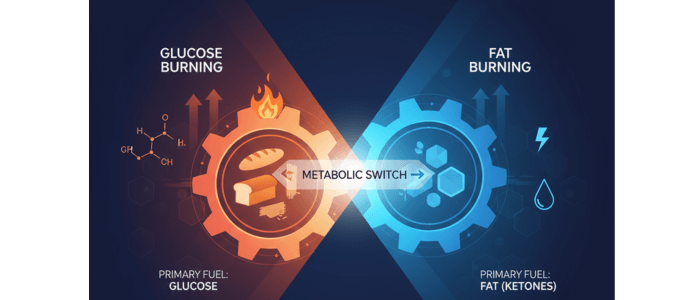
is a metabolic shift. When the body is deprived of calories for a long enough period, it moves from burning glucose to breaking down stored fat for fuel.
This change promotes energy efficiency, cellular repair activity, and reduced reliance on continuous energy intake. Research shows potential short-term benefits for blood sugar levels, cholesterol, and weight management, but long-term safety data remains limited and is still debated in medical circles.
This guide provides a comprehensive breakdown of the science, schedules, benefits, mistakes, and medical concerns surrounding intermittent fasting. It is optimised for answer engine understanding and search ranking so readers can easily find answers to the most common fasting questions.
What Is Intermittent Fasting?
Intermittent fasting is an eating pattern that cycles between defined fasting periods and eating windows. Most protocols fall into two major categories.
Time-Restricted Eating (TRE)
Time Restricted Eating limits daily caloric intake to a small window. Common versions include:
- 16:8 schedule, which includes a 16-hour fast and an 8 hour eating window
- 14:10 schedule
- 12:12 schedule
These approaches are popular because sleep covers a significant portion of the fasting period, making them easier to sustain.
Full Day Fasting
Full-day fasting involves extended low-calorie or no-calorie days, such as:
- Alternate Day Fasting, which involves a fast every other day
- The 5:2 diet, which restricts calories on two non-consecutive days
- Modified fasting, which limits intake to roughly 25% of normal calories on fast days
Although these schedules may produce fast results, they are more restrictive and often harder to sustain long-term.
The Core Science Behind Intermittent Fasting
Understanding the science behind fasting helps explain why it works and why consistency is essential.
What Is the Main Rule of Intermittent Fasting?
Two core rules determine the effectiveness of intermittent fasting.
1. Consistency
The body requires two to four weeks to adjust to a new fasting schedule. Metabolic benefits increase over time, not immediately. Irregular fasting patterns can interrupt the metabolic shift and reduce results.
2. The Clean Fast
During a fasting window, caloric intake should be zero. Any food or drink containing calories interrupts the insulin response and breaks the fast.
Allowed beverages include:
- Water
- Carbonated water
- Black coffee
- Unsweetened tea
Artificial sweeteners can also interfere with fasting for some people because the sweet taste may trigger a cephalic phase insulin response.
What Happens After 12-hours Without Food?
The 12-hour mark is the minimum threshold that defines a physiological fast. At this point:
- Blood glucose levels drop
- Glycogen stored in the liver becomes depleted
- The body begins shifting from glucose to fat as a primary energy source
This shift is known as the metabolic switch and marks the beginning of fat-derived energy production through the creation of ketone bodies. Fasting for fewer than 12-hours does not allow the body to fully reach this fat-burning stage.
What Happens If You Stop Eating at 7 pm?
If the last meal is eaten at 7 pm, the body begins using stored glucose and glycogen for several hours. The true fat-burning stage begins only after the 12-hour metabolic threshold.
This means the period from 7 pm to around 7 am is considered a preparation phase. Extending the fast past the 12-hour mark deepens fat utilisation and increases metabolic benefits.
Fasting Schedules and Fat Loss Potential
Can You Fast From 7 pm to 11 am?
Yes. Fasting from 7 pm to 11 am results in a 16-hour fast. This is one of the most popular Time Restricted Eating schedules because:
- It aligns with natural sleep patterns
- It minimises hunger during the early fasting period
- It provides enough fasting time to produce deeper metabolic benefits
The eating window from 11 am to 7 pm fits well into most daytime routines, making this schedule sustainable for long-term use.
Does a 7 pm to 7 am Fast Work?
A 12-hour fast from 7 pm to 7 am activates the metabolic switch, but the body spends very little time in the fat-burning stage.
While it contributes to metabolic rest and reduces late-night eating, it produces fewer results for fat loss compared to longer fasting windows.
Which Is Better: 12-hours or 16-hours of Fasting?
The best choice depends on goals:
12-Hour Fast
Suitable for beginners, individuals seeking basic metabolic benefits, and people with demanding schedules. It starts the fat-burning process but provides only a short time in the fat-derived fuel state.
16-Hour Fast
More effective for:
- Fat loss
- Improved insulin sensitivity
- Better appetite regulation
- Muscle preservation during weight loss
A 16-hour fast creates a longer period of sustained fat utilisation, which generally produces faster and more noticeable results.
Is a 12-hour Fast Enough for Weight Loss?
A 12-hour fast can support weight loss, but results depend entirely on:
- The quality of food consumed during the eating window
- Overall calorie intake
- Physical activity
Because the fat-burning window is short, a 12-hour fast works best when paired with balanced nutrition, portion control, and consistent habits.
What Is the Most Effective Fasting Schedule?
The most effective schedule is the one a person can follow consistently. Many people find that the 16:8 schedule provides a balance between effectiveness and sustainability.
Full-day fasting schedules may produce fast results but often lead to:
- Low energy
- Poor compliance
- Increased stress
- Higher likelihood of overeating on non-fasting days
- Sustainability drives success more than intensity.
Implementation, Tracking, and Common Errors
Is Your True Weight the Morning or the Evening Weight?
Morning weight is the most accurate measurement. Daily weight can fluctuate by several pounds based on:
- Food volume
- Water intake
- Digestion
- Sodium levels
Morning weight after an overnight fast provides the most stable baseline. For reliable tracking, weigh yourself under the same conditions each morning.
What Is the Most Common Intermittent Fasting Mistake?
The number one mistake is overeating or choosing unhealthy foods during the eating window. Many individuals assume fasting allows them to eat anything they want. This prevents the creation of a calorie deficit and blocks weight loss.
Other common mistakes include:
Lack of meal planning
Without preparation, hunger builds and leads to impulsive food choices.
Neglecting exercise
Movement improves metabolic flexibility and supports weight management.
Chronic stress
Elevated stress hormones such as cortisol impair weight loss and increase appetite.
Poor sleep
Inadequate rest increases hunger hormones and reduces metabolic performance.
Expecting fast results
The body often needs two to four weeks to fully adjust. Impatience leads to inconsistency.
Why Do Some Doctors Avoid Recommending Intermittent Fasting?
Doctors hesitate to recommend intermittent fasting widely for the following reasons:
- Risk of hypoglycaemia in people with diabetes who use medication
- Stress hormone spikes caused by fasting
- Contraindications for groups including pregnant women, breastfeeding mothers, children, people with eating disorders, and those at risk of bone loss
- The existence of simpler and equally effective alternatives like standard calorie reduction
Why Might Intermittent Fasting Be Unhealthy for Some People?
Intermittent fasting becomes unhealthy when:
- It causes nutrient deficiencies
- It intensifies stress or hormonal imbalance
- It triggers dizziness, fatigue, mood changes, or dehydration
- It is used by people with contraindications
- The eating window includes poor-quality food
Highly restrictive schedules may increase cardiovascular risk, especially for those with pre-existing heart concerns.
Conclusion: A Balanced Understanding of Intermittent Fasting
Intermittent fasting can activate the metabolic switch that moves the body from glucose burning to fat-burning after twelve hours.
Schedules that extend into the sixteen-hour range offer deeper results for fat loss and metabolic improvement.
However, success depends on consistency, nutritional quality, and lifestyle habits such as sleep and exercise.
Since ongoing research continues to explore long-term safety and potential risks, especially related to heart health, individuals should consider their personal medical history before starting intermittent fasting.
A consultation with a healthcare provider is essential for anyone with chronic conditions or higher risk factors.
Ready to build healthier habits with confidence? Your Health Is In Your Hands.
Connect with Nature’s Pure Love to receive simple, holistic support that helps you stay balanced, energised, and in control of your well-being.
Start your wellness journey with NPL today.
Frequently Asked Questions (FAQ)
1. What is Intermittent Fasting (IF), and how does it differ from a diet?
Intermittent fasting is an eating pattern that cycles between defined fasting periods and eating windows.
It focuses on when you eat (timing) rather than what you eat (dietary content).
2. What is the main rule of Intermittent Fasting, and what can I consume during the fasting
The main rule is consistency and maintaining a "clean fast"—meaning zero caloric intake during the fasting window to avoid interrupting the insulin response.
You can consume water, carbonated water, black coffee, and unsweetened tea.
3. What happens in my body after 12 hours without food?
The 12-hour mark is the minimum physiological fast threshold. At this point, blood glucose and liver glycogen stores are depleted, and the body begins the metabolic switch from burning glucose to breaking down stored fat for energy.
4. Which is more effective for fat loss: a 12-hour fast or a 16-hour fast?
A 16-hour fast (like the popular 16:8 schedule) is generally more effective for fat loss, improved insulin sensitivity, and better appetite regulation.
A 12-hour fast activates the metabolic switch but provides only a short time in the fat-burning state.
5. What is the most common mistake people make when doing Intermittent Fasting?
The number one mistake is overeating or choosing unhealthy, poor-quality foods during the eating window. This prevents the necessary calorie deficit for weight loss, effectively blocking results.
6. Why is there medical controversy or debate about Intermittent Fasting?
Controversy stems from the lack of long-term safety data (studies following people for many years are limited) and emerging concerns that highly restrictive schedules (under eight hours of eating) may potentially increase the risk of heart-related death for some individuals.
7. Why do some doctors recommend caution or avoid recommending Intermittent Fasting?
Question
Answer Summary (from the article)
1. What is Intermittent Fasting (IF), and how does it differ from a diet?
Intermittent fasting is an eating pattern that cycles between defined fasting periods and eating windows. It focuses on when you eat (timing) rather than what you eat (dietary content).
2. What is the main rule of Intermittent Fasting, and what can I consume during the fasting window?
The main rule is consistency and maintaining a "clean fast"—meaning zero caloric intake during the fasting window to avoid interrupting the insulin response. You can consume water, carbonated water, black coffee, and unsweetened tea.
3. What happens in my body after 12 hours without food?
The 12-hour mark is the minimum physiological fast threshold. At this point, blood glucose and liver glycogen stores are depleted, and the body begins the metabolic switch from burning glucose to breaking down stored fat for energy.
4. Which is more effective for fat loss: a 12-hour fast or a 16-hour fast?
A 16-hour fast (like the popular 16:8 schedule) is generally more effective for fat loss, improved insulin sensitivity, and better appetite regulation. A 12-hour fast activates the metabolic switch but provides only a short time in the fat-burning state.
5. What is the most common mistake people make when doing Intermittent Fasting?
The number one mistake is overeating or choosing unhealthy, poor-quality foods during the eating window. This prevents the necessary calorie deficit for weight loss, effectively blocking results.
6. Why is there medical controversy or debate about Intermittent Fasting?
Controversy stems from the lack of long-term safety data (studies following people for many years are limited) and emerging concerns that highly restrictive schedules (under eight hours of eating) may potentially increase the risk of heart-related death for some individuals.
7. Why do some doctors recommend caution or avoid recommending Intermittent Fasting?
Doctors often urge caution due to the risk of hypoglycaemia in people with diabetes, stress hormone spikes (cortisol), and contraindications for groups like pregnant women, children, and people with eating disorders.
They often prefer equally effective, simpler alternatives like standard calorie reduction.