
Rapid Weight Loss vs Real Weight Management
Weight Loss: What Actually Works, What Doesn’t, and How to Navigate Today’s Trending ‘Hacks’ Safely
Introduction: Why Fast Weight Loss Is Everywhere — and Why It’s Misleading
Scroll through social media, and you’ll quickly see bold promises like “Lose 5kg in 7 days” or “Drop a dress size by the weekend.” These viral claims thrive in a culture obsessed with speed, aesthetics, and instant gratification.
But rapid weight loss is often misunderstood. What looks like progress on the scales is rarely true, sustainable change. In reality, the body operates on biological systems that prioritise survival, balance, and long-term stability — not overnight transformation.
Understanding the difference between short-term scale changes and real weight management is essential if you want results that last.
Why Quick Fixes Feel So Tempting
The psychology behind rapid weight loss trends
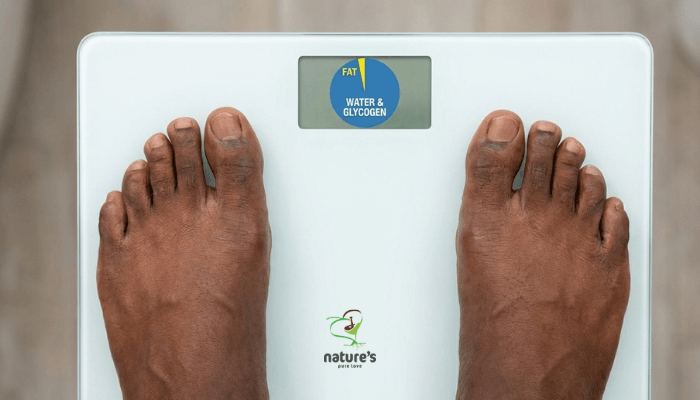
Crash diets and extreme plans often deliver fast scale drops in the first few days. This creates a powerful emotional reward — a sense of success and motivation — even though most of the loss comes from water and stored carbohydrates, not body fat.
This temporary result can feel validating, but it often distracts from what truly creates lasting change: consistent habits, metabolic balance, and lifestyle alignment.
The problem with chasing speed
When rapid loss slows — as it inevitably does — many people blame themselves rather than the method. This fuels cycles of restriction, frustration, and rebound weight gain, leaving confidence damaged and progress undone.
The Evidence-Based Benchmark for Safe Weight Loss
What science consistently agrees on
Clinical and public health guidance consistently supports a gradual rate of weight loss of approximately:
0.45–0.9 kg (1–2 lbs) per week
This range allows the body to adapt without triggering stress responses that undermine metabolism, energy levels, and long-term maintenance.
Any programme promising results far beyond this benchmark should be approached with caution.
How Weight Loss Really Works (Without the Hype)
The core principle: energy balance with metabolic support
Weight loss requires a calorie deficit, but sustainability depends on how that deficit is created.
Effective, long-term approaches focus on:
- Preserving muscle mass
- Supporting metabolism
- Encouraging consistent movement
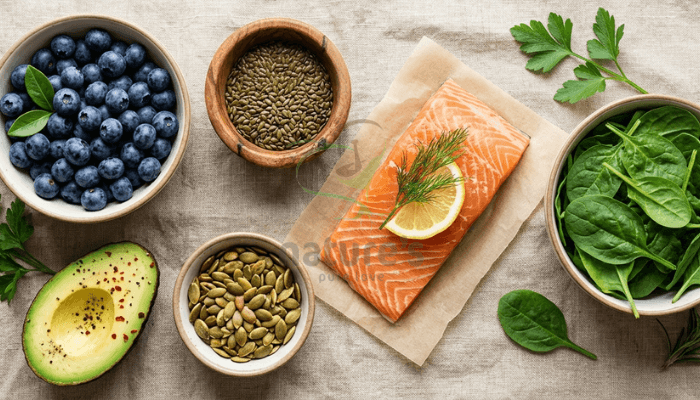
- Prioritising nourishing food choices
Strength-based activity and adequate protein intake help maintain fat-free mass, which supports resting metabolic rate and overall vitality.
Why habits matter more than hacks
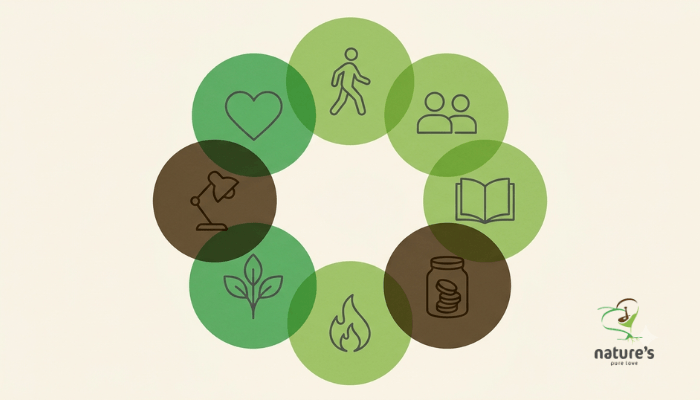
Lasting change isn’t built on restriction — it’s built on repeatable behaviours:
- Structured eating routines
- Regular movement you enjoy
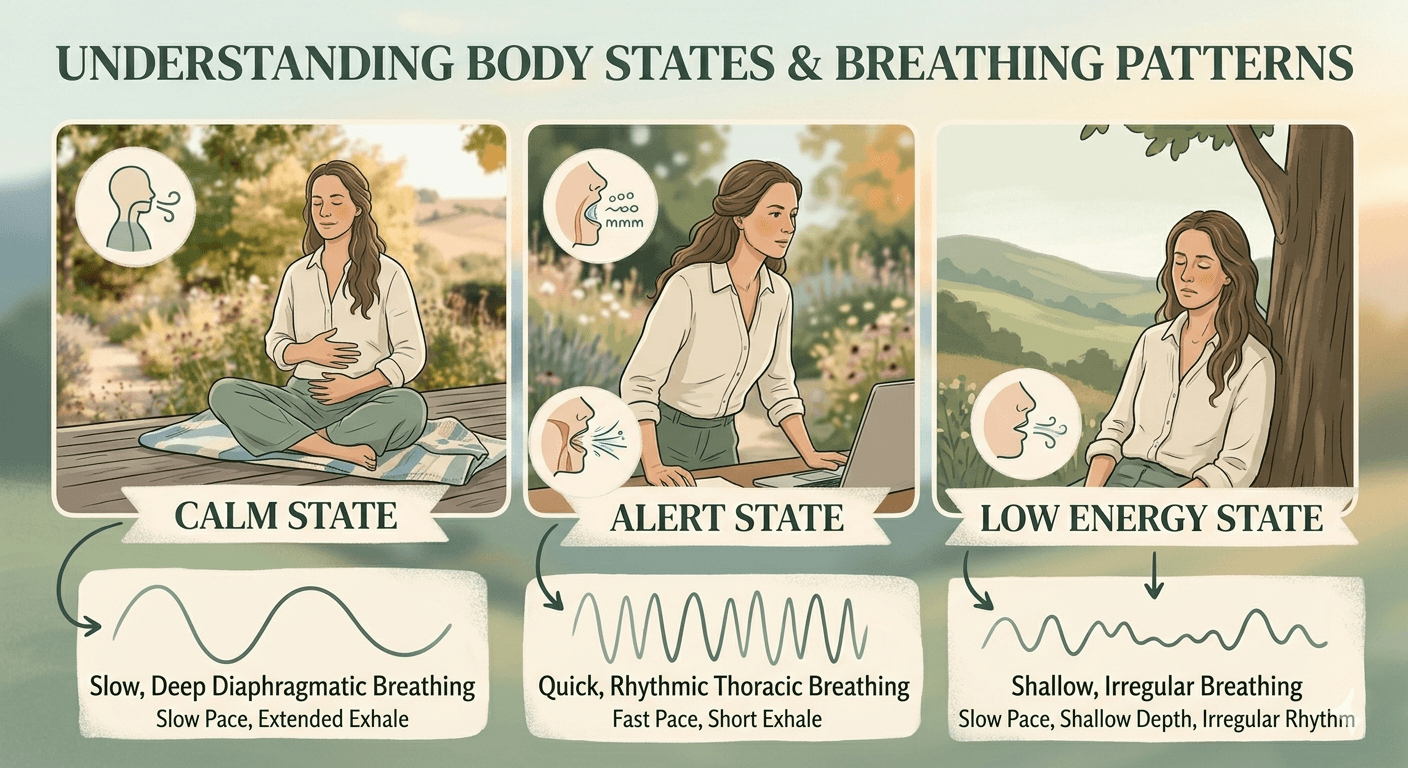
- Stress awareness and management
- Quality sleep and hydration
These habits create a foundation that supports both physical and emotional wellbeing.
Why Everyone’s Results Look Different
No two bodies respond the same way. Weight management is influenced by:
- Genetics
- Age and life stage
- Hormonal balance
- Stress levels
- Lifestyle and environment
This is why generic “one-size-fits-all” solutions rarely deliver lasting success. Personalisation and self-awareness are far more effective than trends.
Breaking Down Rapid Weight Loss Claims
“Can I really lose 5kg in 7 days?”
From a physiological perspective, losing 5kg of body fat in one week would require an extreme and unrealistic energy deficit.
When weight drops this quickly, it is almost always:
- Water loss
- Glycogen depletion
- Digestive contents
Not meaningful fat reduction.
Why water weight is misleading
Water weight fluctuates rapidly due to:
- Carbohydrate intake
- Salt levels
- Hormonal cycles
If weight drops overnight or rebounds just as quickly, it’s a clear sign the change was temporary.
Potential risks of losing weight too fast
Consistently losing weight faster than recommended may increase the likelihood of:
- Fatigue and low energy
- Nutrient shortfalls
- Muscle loss
- Metabolic slowdown
- Gallstone formation
These outcomes work against long-term wellbeing.
| Weight Loss Rate | Recommendation | What’s Actually Lost | Long-Term Impact |
|---|---|---|---|
| 0.45–0.9 kg per week | Clinically supported | Primarily body fat | Supports metabolic balance and maintenance |
| 2–5+ kg per week | Unsustainable | Water, muscle mass, glycogen | Higher likelihood of regain and metabolic stress |
Why “Detoxes” and 3-Day Fixes Go Viral
Short-term cleanses and detox plans often rely on diuretic or laxative effects. While the scales may move, these methods do not “cleanse” the body — detoxification is already handled naturally by the liver and kidneys.
More importantly, extreme restriction can trigger metabolic rebound, where the body:
- Reduces energy expenditure
- Increases hunger signals
- Encourages rapid regain
Trending Rules & Tricks: What They Really Do
The 3-3-3 Rule
Often presented as:
- Three meals per day
- Three bottles of water by mid-afternoon
- Three hours of movement per week
This can support routine and hydration, but it is not a personalised weight management strategy.
The “7-Second Morning Trick”
Typically involves breathing or drinking water on waking. While helpful for stress awareness and hydration, it cannot override the impact of long-term eating and lifestyle patterns.
These tools can support wellbeing — but they are supportive habits, not solutions.
Celebrity Weight Loss Stories: A Word of Caution
Celebrity transformations often spark curiosity, but they are frequently misrepresented. Many viral endorsements are digitally altered or exaggerated, and most public figures have access to extensive professional support unavailable to the general public.
Comparing yourself to these narratives often leads to unrealistic expectations rather than meaningful progress.
Understanding Weight Management (Not Just Weight Loss)
What weight management really means
Weight loss is a phase.
Weight management is the long-term process that follows.
Without a focus on maintenance, research shows most people regain weight within a few years. Sustainable success comes from shifting attention from short-term loss to long-term balance.
The Four Pillars of Sustainable Weight Management
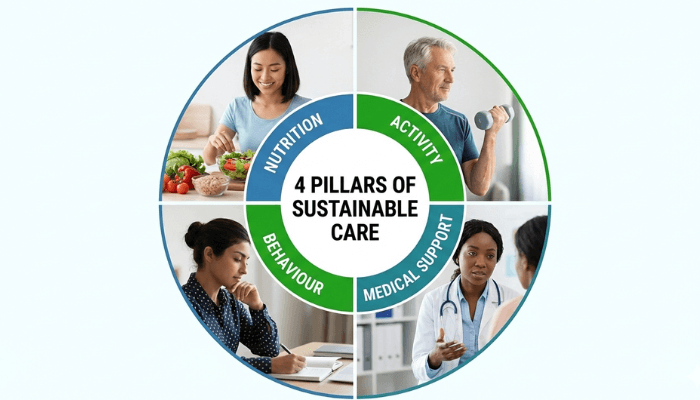
Effective approaches are built on four integrated foundations:
- Nutrition – balanced, realistic eating patterns
- Movement – including strength and mobility
- Behaviour – habit formation and emotional awareness
- Support – guidance, education, and accountability
This aligns naturally with habit-based self-care models such as C.R.E.A.M: Cleanse, Restore, Energise, Align, Maintain.
| Red Flag | Why It’s a Problem | Better Alternative |
|---|---|---|
| Promises rapid weight loss | Encourages metabolic rebound and short-term results | Aim for gradual, consistent progress |
| Eliminates entire food groups | Often unsustainable and nutritionally limiting | Practise portion awareness and balance |
| Requires special pills or shakes | High cost with limited long-term benefit | Build routines around whole foods |
| Claims “no effort required” | Ignores lifestyle, movement, and habit formation | Focus on realistic, repeatable habits |
When Extra Support Makes Sense
If repeated attempts feel overwhelming, or lifestyle balance feels out of reach, seeking structured guidance can be empowering. Support isn’t failure — it’s strategy.
Conclusion: Sustainable Progress Always Wins
Fast results may feel exciting, but true success is measured over months and years, not days.
Real weight management is about:
- Supporting your metabolism
- Building habits you can live with
- Improving energy, confidence, and quality of life
When the focus shifts from speed to sustainability, results stop slipping away — and start lasting.
Your Health Is In Your Hands.