What Is a Gentle Detox Programme?
Gentle Detox
Introduction: Why Gentle Detoxing Matters More Than Ever
In the UK wellness landscape, the idea of “detox” has evolved dramatically. Where once detox programmes were associated with extreme fasting, harsh restrictions, or punishing cleanse routines, today’s health-conscious individuals are seeking something far more sustainable: a gentle detox programme that supports the body rather than stresses it.[bda.uk]
A gentle detox programme is not about forcing the body to change. Instead, it is about reducing daily overload, restoring balance, and creating space for the body’s own natural systems to function more efficiently. This approach reflects a growing shift towards intentional living, where wellness is woven into everyday life rather than treated as a drastic reset after burnout.
For many people in the UK, gentle detoxing represents a calmer, more compassionate way to reconnect with food, energy, digestion, and routine—without guilt, deprivation, or unrealistic expectations.[nccih.nih]
What Does “Gentle Detox” Really Mean?
A gentle detox programme focuses on support, not punishment. It recognises that the human body already has highly intelligent systems designed to manage waste, rebalance internal processes, and maintain harmony. Rather than overriding these systems, gentle detoxing works with them.[bda.uk]
A gentle detox programme is typically:
- Food-based and nourishing. Emphasising whole, everyday foods that provide fibre, hydration, and micronutrients.[niddk.nih]
- Non-restrictive and flexible. Avoiding rigid rules, starvation, or “one-size-fits-all” plans.[bda.uk]
- Routine-supportive. Encouraging simple habit shifts such as regular meal times, improved sleep, and mindful hydration.[nhs]
UK-friendly and accessible. Built around familiar ingredients such as oats, lentils, leafy greens, berries, and
herbal teas .
Importantly, a gentle detox programme does not promise to “flush toxins” or deliver instant transformations. Instead, it creates conditions that allow the body to return to balance naturally.[bhf.org]
Professional organisations such as the British Dietetic Association and the NHS consistently highlight that the body already has effective systems in place. The goal of wellness practices should be to support these systems, not replace them.
How the Body Maintains Balance Naturally
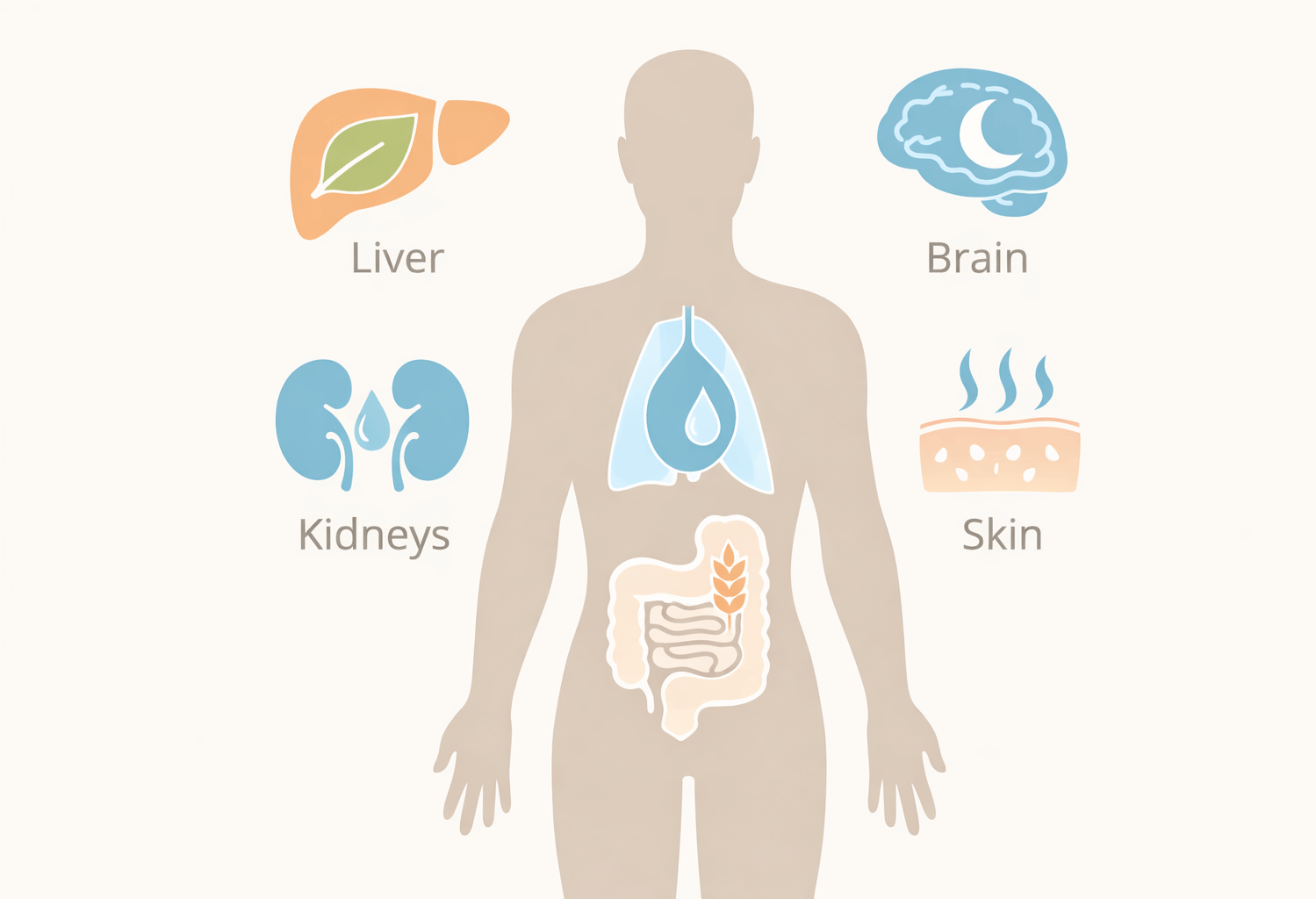
The human body is designed to maintain equilibrium, often referred to as homeostasis. A gentle detox programme supports this balance by reducing unnecessary strain and providing the body with what it needs to function smoothly.
Key Systems That Support Natural Balance
- The Liver. Processes nutrients and helps manage everyday environmental and dietary by-products.
- The Kidneys. Filter waste through urine and play a crucial role in fluid balance.
- The Digestive System. Uses fibre and gut movement to support regular elimination and microbial balance.]
- The Skin and Lungs. Assist through perspiration and respiration.[healthline]
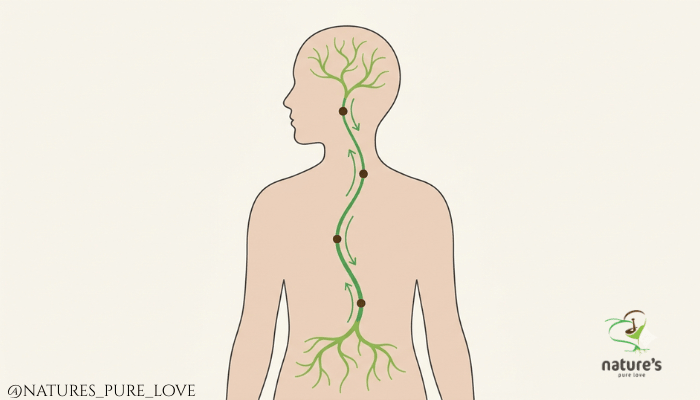
- The Glymphatic System. A waste-clearance process in the brain that becomes most active during deep sleep.
A gentle detox programme works by reducing overload, not by attempting to “clean” these systems aggressively.[resources.healthgrades]
Reducing Overload Instead of Forcing Change
Balanced nutrition, hydration, and rest are the foundations of gentle detoxing. Rather than extreme interventions, this approach focuses on everyday adjustments that make a meaningful difference over time.[nhs]
Common supportive practices include:
- Reducing ultra-processed foods that place extra demand on digestion.[gov]
- Increasing fibre intake through vegetables, legumes, and whole grains.
- Drinking 1.5–2 litres of water daily to support hydration.[nhs]
- Creating consistent sleep routines to allow overnight restoration.[gov]
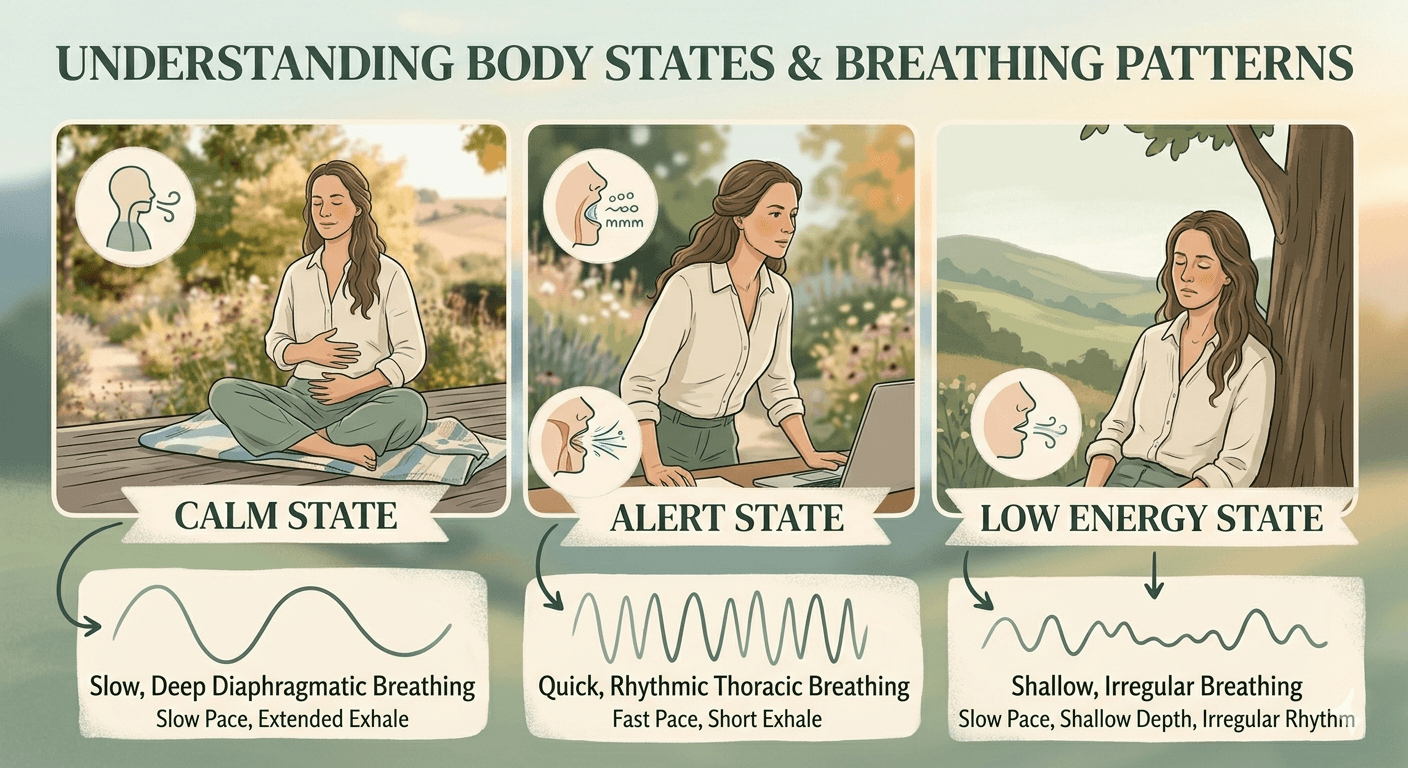
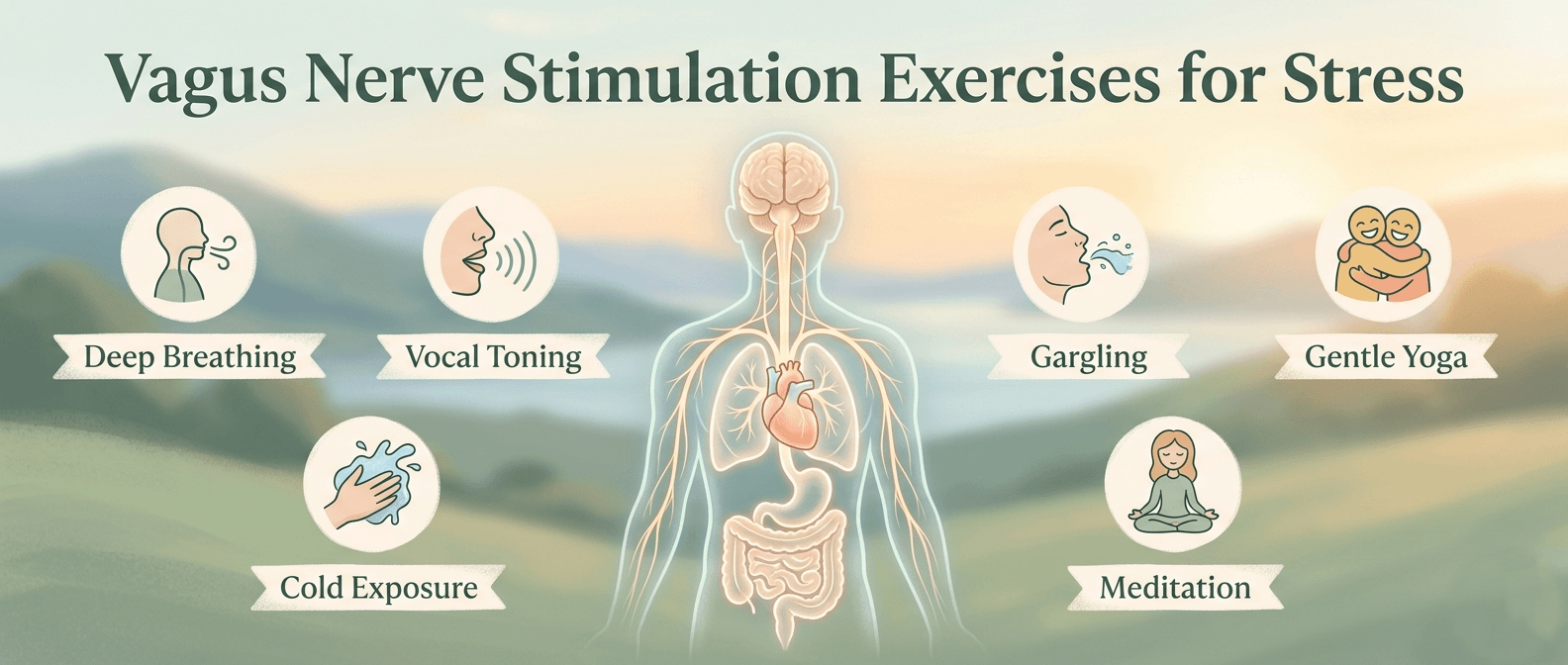
- Supporting stress balance through gentle movement and breathing practices.[niddk.nih]
These changes help the body function more efficiently without triggering the fatigue, headaches, or low energy often associated with harsh detox plans.[bda.uk]
Is a Gentle Detox Programme Right for You?
A gentle detox programme appeals to people who are overloaded, busy, and seeking realistic progress, not perfection.
You may benefit from a gentle detox approach if you:
- Feel sluggish, heavy, or out of rhythm.
- Experience occasional bloating or digestive discomfort.
- Want to reset habits after holidays or stressful periods.
- Prefer food-based wellness rather than supplement-heavy plans.
- Are new to holistic or complementary wellness approaches.
This style of programme is particularly suitable for busy professionals, parents, and individuals who want to support wellbeing without stepping away from daily life.[niddk.nih]
When to Seek Professional Guidance First
Gentle detoxing supports wellbeing but does not replace medical care. You should always consult a qualified healthcare professional if you are:
- Pregnant or breastfeeding.[cuh.nhs]
- Managing a diagnosed medical condition. [leedsth.nhs]
- Underweight or recovering from disordered eating. [leedsth.nhs]
- Unsure how dietary changes may affect your health. [leedsth.nhs]
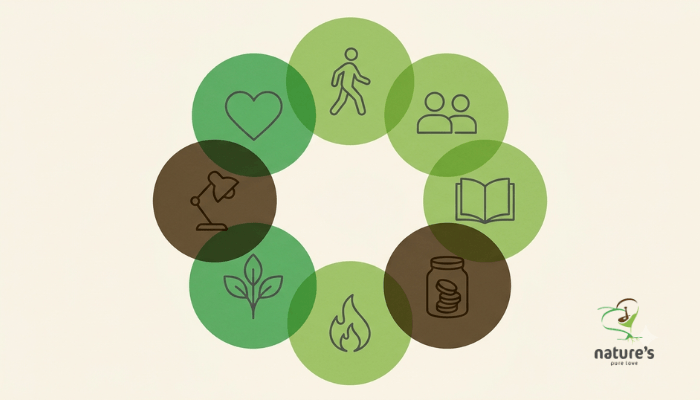
Gentle Detoxing Within the C.R.E.A.M. Framework
At Nature’s Pure Love, gentle detoxing is never treated as an isolated event. Instead, it sits within the broader C.R.E.A.M. holistic framework, ensuring changes are integrated, supportive, and sustainable.
How Gentle Detoxing Aligns with C.R.E.A.M.
- Cleanse – Reducing dietary overload and simplifying food choices.
- Restore – Nourishing digestion and energy with whole foods.
- Energise – Supporting vitality through hydration and gentle movement.
- Align – Encouraging mindful routines and intentional habits.
- Maintain – Building consistency that lasts beyond the initial programme.
This approach ensures detoxing becomes part of a lifestyle rhythm, not a short-term fix.[gov]
A Simple 7-Day Gentle Detox Framework (UK-Friendly)
This example illustrates how a gentle detox fits into everyday UK life without disruption.[nhs]
Morning
- Warm water with lemon or herbal tea.
- Light stretching or mindful movement.
Breakfast
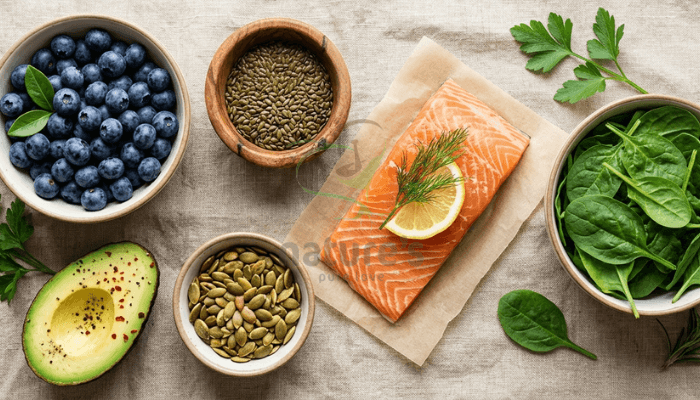
- Porridge with berries and seeds.
- Or a green smoothie with spinach and ginger
Lunch
- Rainbow salad with seasonal vegetables.
- Or lentil soup with wholemeal bread.
Dinner
- Baked salmon with leafy greens.
- Or a vegetable and bean casserole.
Evening
- No food 3 hours before bed.
- Dim lighting and a cool sleep environment.
Simplicity is key. Familiar foods reduce decision fatigue and make the programme easy to maintain alongside work and family life.[gov]
Foods to Include and Reduce During a Gentle Detox
Commonly Included Foods
- Leafy greens such as kale and spinach.[niddk.nih]
- Whole grains like oats and brown rice.[niddk.nih]
- Berries and citrus fruits.[gov]
- Healthy fats from olive oil, nuts, and seeds.[niddk.nih]
- Herbal teas such as peppermint or chamomile.[nhs]
Foods Many People Reduce Temporarily
High caffeine intake late in the day.[nhs]
The focus remains on adding nourishment, not creating restriction.[bda.uk]
Frequently Asked Questions
Is gentle detoxing safe?
For most healthy adults, a food-based, non-restrictive approach aligns with standard healthy eating guidance.
Can I work during a gentle detox?
Yes. Gentle detox programmes are designed to support energy, not drain it.
How often should I do a gentle detox?
Many people use gentle detoxing seasonally or after particularly busy periods.
How long does a gentle detox programme last?
Most programmes run for 5 to 14 days.
Many people repeat them seasonally or after demanding periods.
Will I lose weight on a gentle detox?
Weight change is not the aim.
Some people notice reduced bloating due to improved digestion and hydration.
Do I need supplements during a gentle detox?
No.
Food-based programmes focus on nutrients from whole foods rather than pills or powders.
Can a gentle detox support digestion?
Yes.
Higher fibre intake and regular meals support gut movement and comfort.
Final Thoughts:
Gentle Detoxing as a Way of Living
A gentle detox programme is not about fixing something that is “wrong” with you. It is about creating space for balance, restoring supportive habits, and respectfully reconnecting with your body.
When approached through the C.R.E.A.M. framework, gentle detoxing becomes part of a broader commitment to intentional living—one that prioritises nourishment, clarity, and long-term wellbeing over extremes.
As Nature’s Pure Love reminds us:
“Your Health Is in Your Hands.”