The Importance of Mindful Movement Meditation and ‘Mind-Flow’ for Self-Care and Healthy Habits
The Importance of Mindful Movement Meditation and ‘Mind-Flow’ for Self-Care and Healthy Habits
Health must always be viewed holistically. It is not merely the absence of disease, but a dynamic balance of our mental, physical, emotional, and spiritual well-being.
To me,
self-care is the deliberate act of taking time to do things that help you live well. It is about improving not just your physical and mental health, but every dimension of your well-being. It is certainly not a selfish act, nor is it something to be reserved only for the brighter spring or summer months. Self-care is a year-round commitment to yourself.
When practised consistently, self-care can help you manage stress, lower your risk of illness, relieve pain, and significantly increase your daily energy. Even small, intentional acts of self-care can have a profound impact. Over time, these small acts compound, developing into positive, worthwhile habits that sustain you.
The Foundation of Flexibility
Being flexible is fundamental to health, fitness, and self-care. This applies to physical fitness, of course, but it extends far beyond the body. Flexibility is equally crucial for the mind—in terms of our mindset and our overall outlook on life.
Crucially, flexibility also relates to what we choose to absorb. This includes what we put into our bodies through food and hydration, but equally what we put into our minds. The information we consume daily, the environments we live and work in, and the people we surround ourselves with all shape our holistic health.
If you are just beginning to focus on your physical flexibility, start gradually.
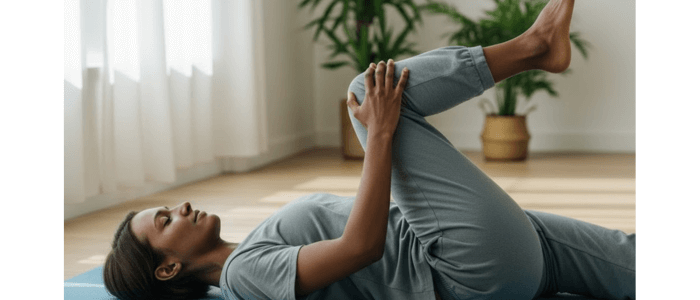
Begin with gentle stretching exercises to allow your body to become a little bit more agile and to move more freely. You do not need a gym; you can stand or sit down to do these stretches in a chair. You can even start from lying in your bed or on the floor.
(For practical examples, you can watch my video clips on these techniques, including my standing ‘Body Curl’ exercise).
In order to sustain this physical flexibility, the key is to
develop a morning routine that gradually becomes a habit over a month or so. Begin with just two or three days per week. Then, progress to every other day, then four to five days, until it becomes a daily practice.
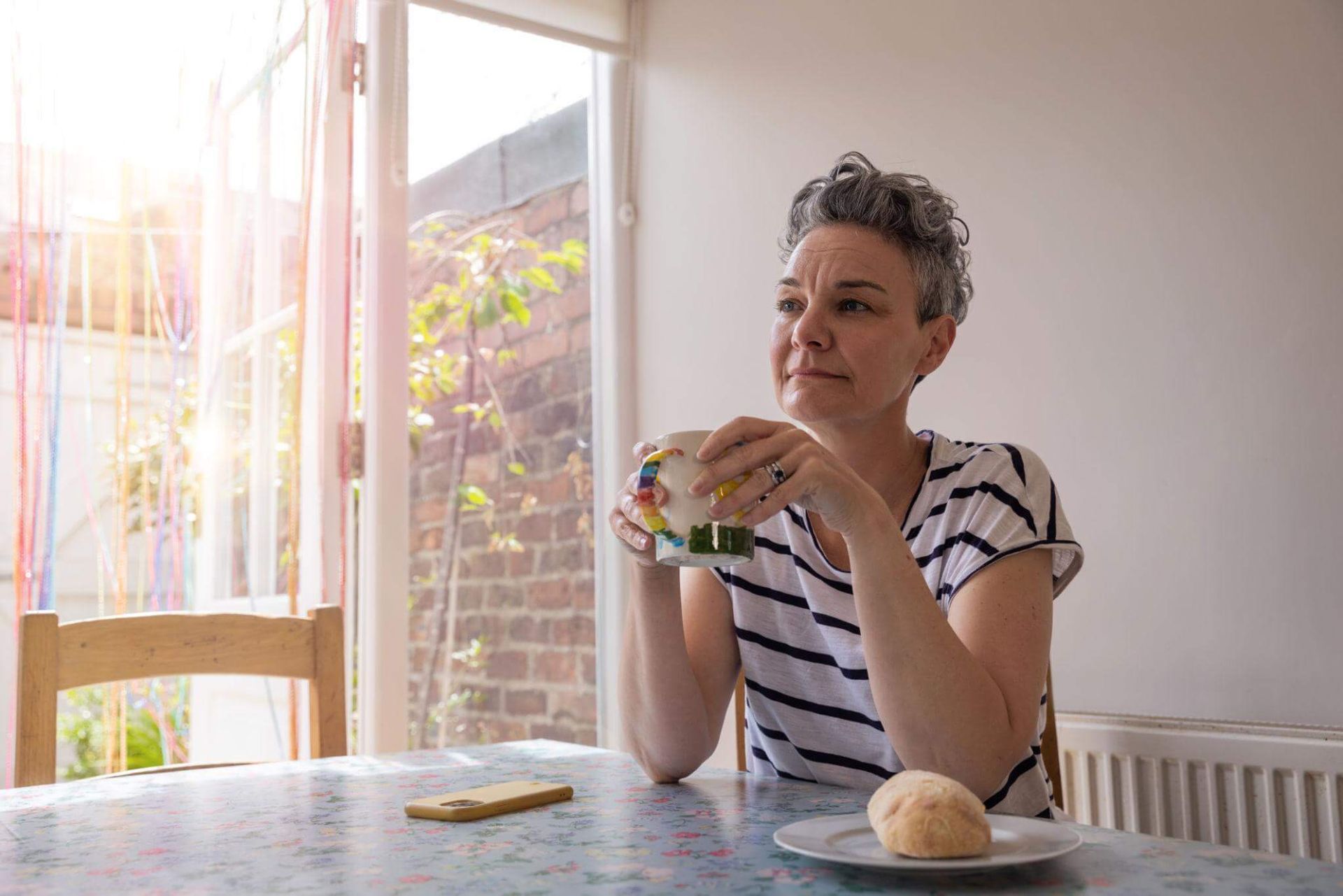
Reconnecting with the Mind-Body Connection
Do you ever find it hard to listen to what your body is telling you?
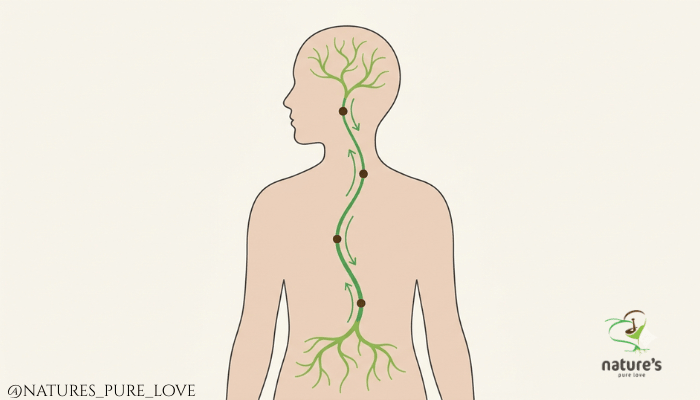
Perhaps your mind feels too loud, or you are so busy that you do not even notice the tension creeping into your shoulders until the very end of the day. If that sounds familiar, you are certainly not alone. It is incredibly easy to live entirely from the neck up, completely disconnected from the deep wisdom our bodies hold.
So, what exactly is the mind-body connection? Simply put, it is the truth that
our thoughts, feelings, and beliefs can directly impact our physical health, and vice versa. It is not something you have to artificially create; it is always there, waiting for you to tune in and listen.
The good news is that you do not need an hour-long Yoga or Tai Chi class to tap into this connection. The real magic happens in the small, intentional, and mindful moments we sprinkle throughout our day.
Movement as a Key to Calming the Mind
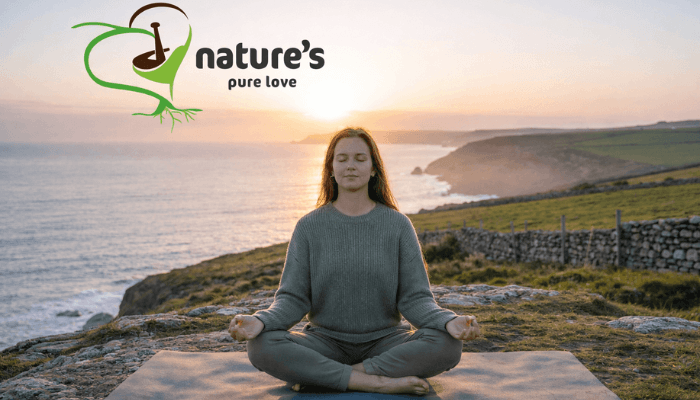
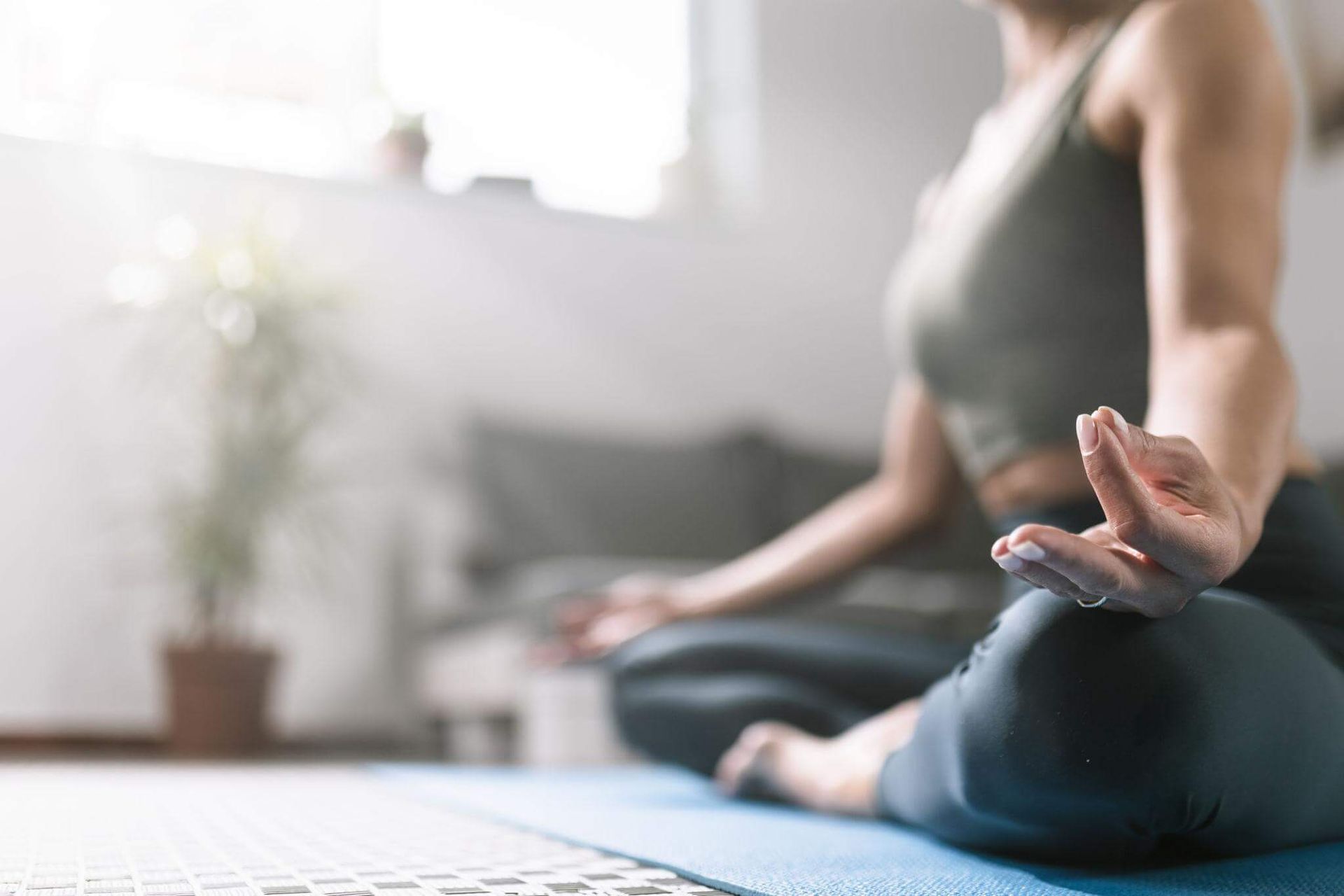
While we will explore the concept of mindset shortly, let us first look at movement. In 2009, I developed a practice called Mindful Movement Meditation. I created it as a direct means of alleviating the feelings of busyness, overwhelm, stress, and anxiety that we all experience from time to time.
This practice helps to rejuvenate the spirit and
aids significantly in managing pain and other chronic conditions. After just one session, practitioners consistently report feeling less stressed and calmer, yet simultaneously re-energised and deeply relaxed.
Mindful Movement Meditation is comprised of three distinct parts:
Gentle Stretching and Grounding Warm-Up: Preparing the body and anchoring the mind in the present moment.- A Guided Visualisation Journey: Using the power of the mind to create a state of deep internal peace.
- Flowing – Stillness: Expressive movement, performed with or without music, allowing the body to move intuitively.
Overall, Mindful Movement Meditation offers a truly holistic approach to wellness, seamlessly incorporating physical, mental, emotional, and spiritual aspects through the simple power of movement.
From Mindset to ‘Mind-Flow’
One of my biggest tips for holistic health relates to mindset—our approach to how we view the world. However, I believe ‘Mind-flow’ is probably a better description of what I mean.
Mind-flow is about how we respond to adversity or the various challenges in our lives. As human beings, we are often inclined to immediately react to unpleasant circumstances, perceived criticism, and other difficult situations we find ourselves in.
It is very important not to feel or become a victim of these circumstances. Instead, try to switch things around. For instance, if someone is doing you a disservice, try to r
why they are doing it. You might actually be able to reverse the situation. Put yourself in their position, be kqcind, and empathise with them, as opposed to just reacting in a negative, defensive way.
This approach aligns closely with a concept championed by the eminent Dr. Rangan Chatterjee, who emphasises the direct connection between happiness and health. He notes:
"Happier people are healthier and healthier people are happier." [1]
Dr. Chatterjee describes his number one tip for happiness as using "Social Friction as free therapy." He explains that if you implement this in your life, it will transform the way you see the world. You will find yourself calmer, less stressed, and happier. You will find that your relationships improve because you will interact with the world leading with compassion. As he notes, it is incredibly simple, and all it takes is a little bit of practice. [1]
By combining the physical practice of Mindful Movement Meditation with the emotional resilience of Mind-flow, we can build a robust, holistic foundation for lifelong self-care.
References
[1] BBC Sounds Podcast. (2023).
Just One Thing with Dr Michael Mosley: Happiness Special (featuring Dr. Rangan Chatterjee). Aired 6th December 2023.
Mindful Movement Meditation
Frequently Asked Questions — Gentle practice for body, mind, and wellbeing
You don’t have to do this alone.
Begin your journey with guided support and simple, practical steps.
Book your FREE Discovery Call today
“Your Health Is in Your Hands”