
How to Improve Gut-Health
How to Improve Gut Health: A Complete, Natural Guide
You can eat reasonably well, sleep enough, and still feel a bit off. Bloated by mid-afternoon. Tired after meals. Foggy or low for no reason you can point to. More often than people realise, the trail leads back to one place: the gut.
Your gut does far more than break down lunch. It is home to trillions of microbes that help you digest food, train your immune system, make certain vitamins, and even send signals to your brain. When that inner ecosystem is in good shape, you tend to feel it. When it is struggling, you usually feel that too.
The encouraging part is that the gut responds quickly to how you live. You do not need a cupboard full of supplements or a strict, joyless diet. You need a handful of habits and a bit of consistency.
This guide walks you through all of them, from the food on your plate to the way you handle a stressful week, so you can improve your gut health in a way that actually holds.
What “gut health” actually means
“Gut health” gets used loosely, so it helps to pin it down. At its simplest, it describes how well your digestive system is working and, just as importantly, the state of the community of microbes living inside it.
Meet your gut microbiome
Most of those microbes sit in your large intestine, and together they are called the gut microbiome. There are trillions of them, made up of thousands of different species, and no two people have exactly the same mix. Yours is shaped by how you were born, what you ate as a child, the medicines you have taken, where you live, and what you eat now.
The single most useful word to remember is diversity. A gut with a wide range of different microbes tends to be more resilient and is linked with better overall health. A gut dominated by only a few species, with low diversity, is more often associated with digestive trouble and inflammation. So a lot of what follows in this guide comes back to one goal: feeding a richer, more varied set of bacteria.
The gut and brain are in constant conversation
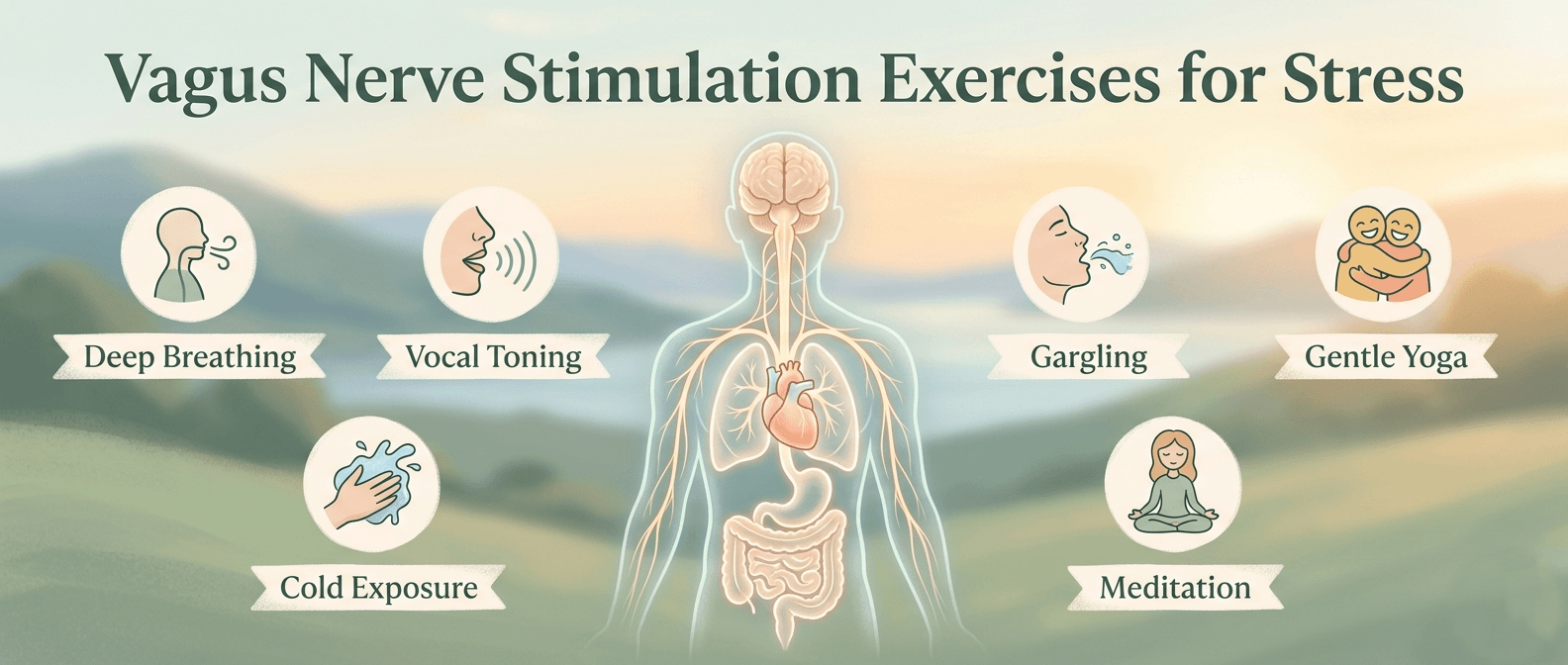
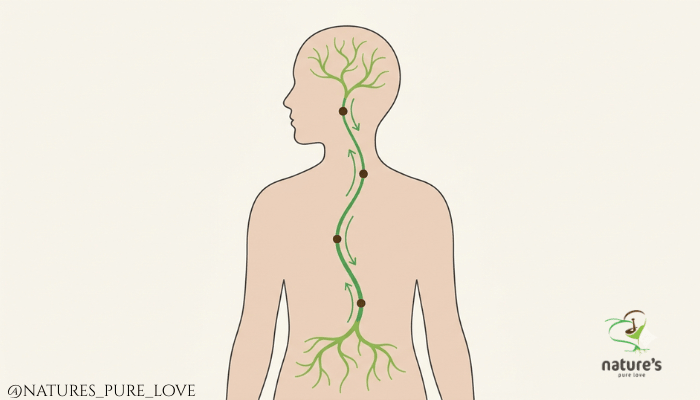
If you have ever felt sick with nerves or had butterflies before something stressful, you have already met the gut-brain axis. Your gut and brain are wired together through the vagus nerve, your immune system, and the chemical messengers your microbes produce. The traffic runs both ways. A stressful mind can upset your digestion, and an unhappy gut can drag down your mood.
Here is the detail that surprises most people. Around 90 percent of the body's serotonin, the chemical tied to feelings of wellbeing, is made in the gut rather than the brain — produced largely by specialised cells in the gut lining, with your resident microbes helping to set the pace. That does not mean a salad will fix a hard week, but it does explain why looking after your gut so often shows up as steadier energy and a calmer head.
Signs your gut might need some attention
Your body tends to flag a struggling gut fairly clearly once you know what to look for. Frequent bloating, wind, or stomach discomfort are the obvious ones. So are irregular bowel habits, whether that leans towards constipation or the opposite.
Less obvious signs include energy that dips hard after meals, sugar cravings that feel relentless, skin flare-ups, getting run down more often than you would expect, and a low or anxious mood that does not match what is going on in your life. None of these point to the gut on their own. Together, and especially when they stick around, they are worth paying attention to.
If you notice more serious signs, the rest of this guide is not the right tool. See the section on when to speak to your GP further down.
If you would like that shaped around your own life rather than a generic plan, our health and wellness programmes include one-to-one nutritional support.
How to improve gut health through food
Food is where you have the most influence, because every meal is a chance to feed the bacteria you want more of. You do not need to overhaul everything at once. Pick one or two of the habits below and build from there.
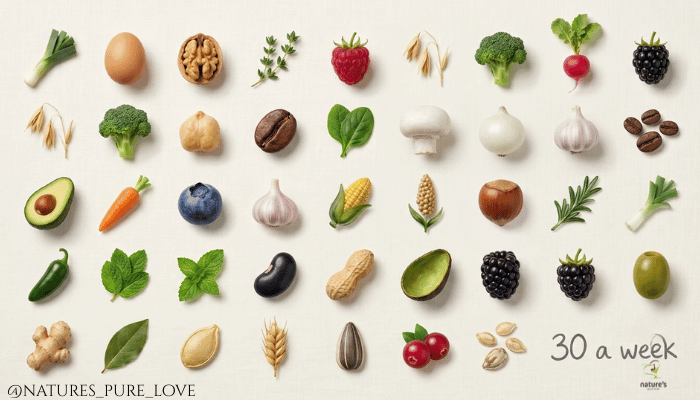
Eat a wider variety of plants, and aim for 30 a week
This is the highest-impact change most people can make. Different plants contain different types of fibre, and different fibres feed different microbes. The more kinds of plant you eat, the broader the range of bacteria you support.
One large piece of research, the American Gut Project—published in 2018 and drawing on samples from the UK, the United States, and Australia—found that people who ate more than 30 different types of plant each week had noticeably more diverse gut bacteria than people who ate 10 or fewer.
Those same plant-rich eaters also tended to carry fewer antibiotic-resistance genes in their gut. Thirty sounds like a lot until you realise how much counts.
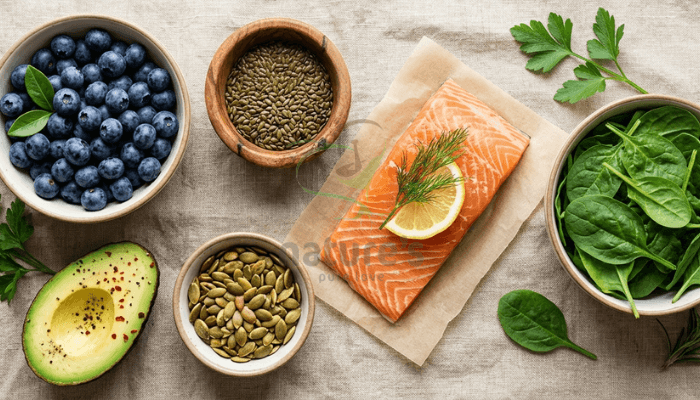
Vegetables, fruit, wholegrains, beans, lentils, nuts, seeds, herbs, and spices all go on the list. A sprinkle of mixed seeds on your porridge can quietly add three or four to your weekly tally.
A simple way to start is to make your plate more colourful and to rotate what you buy rather than reaching for the same three vegetables every week.
Hit your fibre target
Fibre is the main fuel your good bacteria run on. When they ferment it, they produce short-chain fatty acids, such as butyrate, that calm inflammation and help keep the gut lining healthy.
The NHS recommends around 30 grams of fibre a day for adults, yet most of us manage closer to 20 — and recent national survey data suggests only around 9 percent of UK adults actually reach that target.
Closing that gap is straightforward. Swap white bread, rice, and pasta for wholegrain versions. Keep the skins on potatoes and apples. Add a tin of beans or lentils to soups, stews, and curries.
Reach for fruit, oats, and nuts as snacks. One word of caution: if your current fibre intake is low, build up gradually and drink more water as you do, or you may feel more bloated in the short term while your gut adjusts.
Add fermented foods
Fermented foods carry live microbes and the compounds they produce, which can help top up and vary the bacteria in your gut. A Stanford study, published in the journal Cell in 2021, followed 36 healthy adults for ten weeks and found that those who ate more fermented foods ended up with a more diverse microbiome and lower markers of inflammation in their blood, including a drop across 19 inflammation-related proteins.
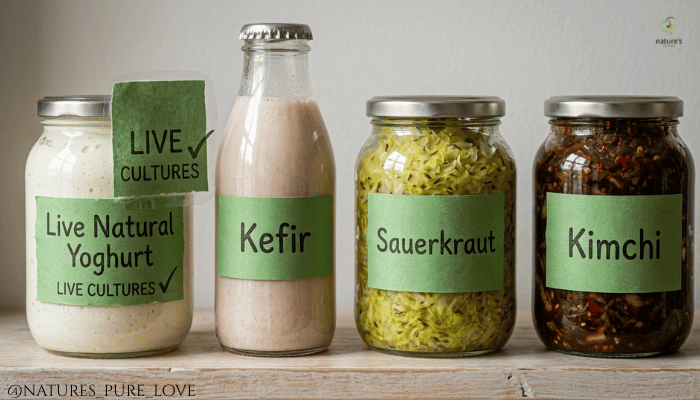
Good options that are easy to find in the UK include live natural yoghurt, kefir, sauerkraut, kimchi, miso, tempeh, and unpasteurised kombucha. Look for the words “live” or “contains live cultures” on the label, and check the sauerkraut or kimchi is in the chilled section rather than shelf-stable and pasteurised, as heat treatment kills the very bacteria you are after. Start with a spoonful a day rather than a full jar, and let your gut get used to it.
Feed your good bacteria with prebiotics
Probiotics are the live bacteria. Prebiotics are the food those bacteria love. You want both. Prebiotic fibres are found in garlic, onions, leeks, asparagus, slightly underripe bananas, oats, apples, and legumes. Including a few of these most days gives your existing good bacteria something to thrive on, which is often more effective than chasing new strains through supplements.
Do not overlook polyphenols
Polyphenols are plant compounds that act a little like fertiliser for beneficial microbes. They turn up in colourful and bitter foods: berries, red grapes, dark leafy greens, extra virgin olive oil, green tea, and even good-quality dark chocolate. This is one of the rare bits of nutrition advice where a small square of dark chocolate genuinely earns its place.
Ease off ultra-processed foods and added sugar
You do not have to give anything up entirely, and an all-or-nothing approach rarely lasts. The aim is balance. Diets high in ultra-processed foods, refined sugar, and certain additives are associated with lower microbiome diversity and more inflammation. These foods also tend to crowd out the fibre-rich whole foods your bacteria need.
A realistic target is to make whole foods the base of most meals and treat heavily processed items as the occasional extra rather than the daily default. As you add more of the good stuff, the rest tends to shrink on its own.
How to improve gut health through lifestyle
Food matters most, but it is not the whole story. Your gut responds to how you live as much as what you eat, and these next habits are often the missing piece for people who already eat well yet still feel off.
Lower your stress, because your gut is listening
Through the gut-brain axis, ongoing stress changes how your gut moves, how it feels, and even which bacteria flourish there. It is one reason flare-ups so often land in busy, anxious stretches of life. You cannot remove all stress, but you can give your nervous system regular chances to settle.
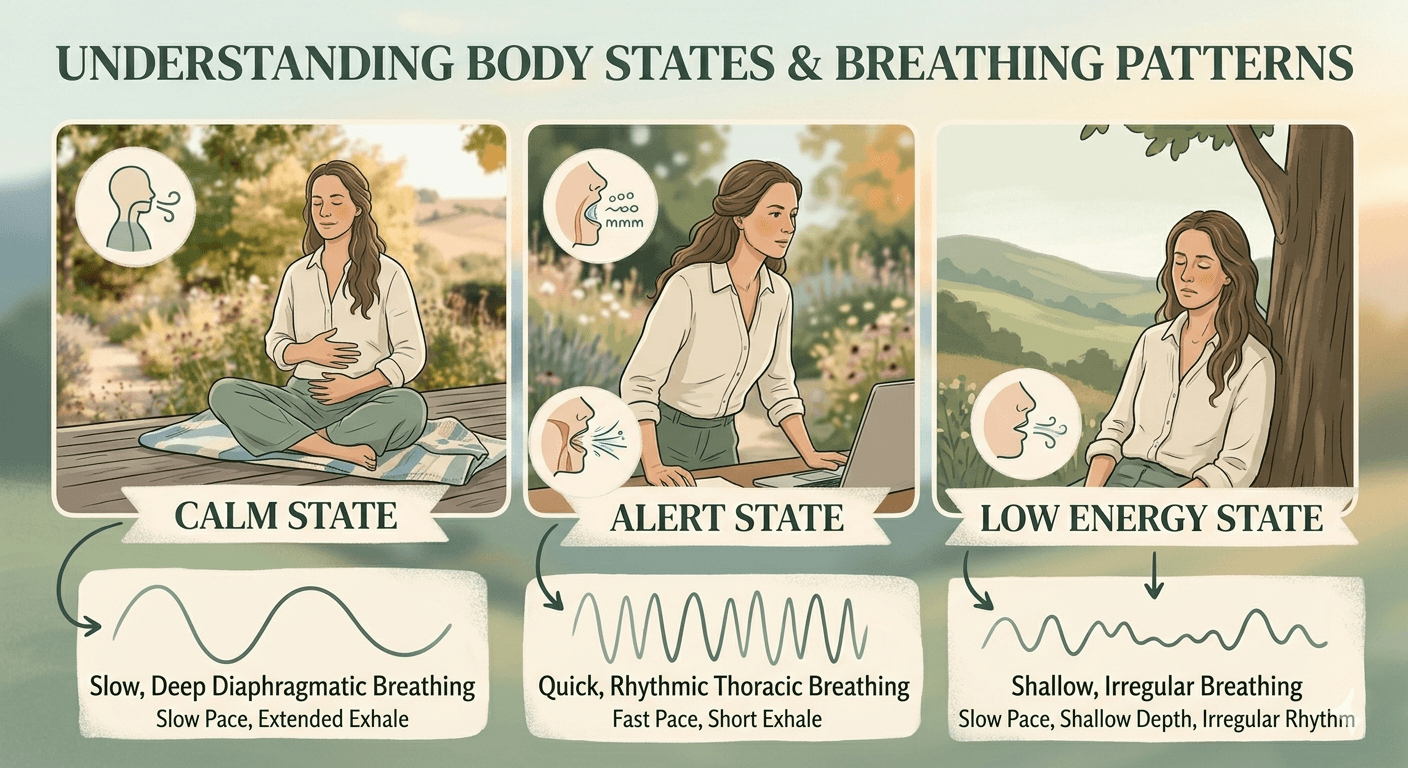
Slow breathing, a daily walk, time outdoors, mindful movement, or simply protecting a few unhurried minutes around meals all help. Eating slowly and actually chewing, rather than wolfing lunch at your desk, makes a real difference to digestion on its own.
Protect your sleep
Your gut bacteria follow a daily rhythm, much like you do, and poor or broken sleep is linked with less favourable changes in the microbiome. Aim for a consistent sleep and wake time, ease off caffeine in the afternoon, and try to stop eating large meals very late. Better sleep supports your gut, and a healthier gut tends to support better sleep, so progress in one area often pulls the other along.
Move your body
Regular physical activity is associated with greater microbiome diversity, separate from diet. You do not need to train hard. Brisk walking, cycling, swimming, gardening, or anything that gets you moving most days counts. Movement also supports regular bowel function, which is its own small win for comfort.
Go easy on alcohol, and be thoughtful with antibiotics
Heavy drinking can irritate the gut lining and shift the balance of bacteria, so keeping within sensible limits and including alcohol-free days both help. Antibiotics deserve a mention too. They are sometimes essential and you should always finish a course your GP prescribes, but they clear out good bacteria alongside the bad. Only take them when they are genuinely needed, and lean on plenty of plants and fermented foods afterwards to help your gut recover.
Drink enough water
Fibre and water work as a team. Without enough fluid, a higher-fibre diet can leave you constipated rather than comfortable. Water keeps everything moving smoothly and supports the gut lining, so keep a glass within reach through the day.
Do you need a probiotic supplement?
This is one of the most common questions, and the honest answer is: probably not as your first move. For most people, the better starting point is food. A varied, plant-rich diet with regular fermented foods feeds and diversifies your gut far more reliably than a single capsule.
Supplements can have a place. Some people find a probiotic helpful after a course of antibiotics, during travel, or while managing specific digestive issues. The catch is that benefits are strain-specific, meaning a product that helps one person with one issue may do nothing for another, and the quality of products on the shelf varies a lot. If you want to try one, it is worth speaking to a pharmacist or your GP about which type might suit your situation, rather than picking the first jar with the boldest claims.
Think of supplements as something you might add later, once the foundations of food, sleep, movement, and stress are in place. They work best as a support, not a shortcut.
Where to start: a simple first week
If all of this feels like a lot, you do not need to do everything. Most people see and feel more from changing a few things properly than from trying to change everything badly.
Here is a gentle first week to get the momentum going.
1. Add one new plant food a day, aiming for a wider variety across the week rather than larger portions.
2. Start a daily spoonful of a fermented food, such as live yoghurt, kefir, or kimchi.
3. Make one fibre swap, like wholegrain bread or rice in place of white.
4. Take a 15-minute walk most days, ideally after a meal.
5. Pick one calming habit, such as a few minutes of slow breathing before dinner, and keep it small enough to actually do.
Give it two to four weeks before you judge it. Some people notice less bloating and steadier energy within days, but a real shift in your microbiome builds over weeks and months. Consistency matters far more than intensity.
When to speak to your GP
Gut habits are powerful for everyday digestive comfort and general wellbeing, but they are not a substitute for medical care, and some symptoms need a professional eye.
Please see your GP if you have blood in your stool, ongoing or unexplained changes in your bowel habits, unexplained weight loss, persistent or severe stomach pain, difficulty swallowing, or symptoms that simply will not settle.
These can have many causes, most of them treatable, and getting them checked early is always the right call.
If anything feels seriously wrong or comes on suddenly and intensely, seek urgent medical help rather than waiting.
Not sure where to start?
You do not have to work it out on your own. Our programmes are built around the same idea as this article: small steps in the areas that need them most, with support to keep you going. Have a look at what might suit you, or send us a message and we will point you towards the right starting place.
See our programmes · Get in touch
Your questions
Frequently asked questions
The questions people ask most often once they start looking after their gut, answered plainly.
How long does it take to improve gut health?
Some people feel small improvements, such as less bloating or steadier energy, within a few days to a couple of weeks. Meaningful changes to the microbiome itself usually build over several weeks to a few months of consistent habits.
What is the single fastest way to improve gut health?
There is no magic switch, but the quickest wins for most people are eating a wider variety of plants, adding a daily fermented food, and easing back on ultra-processed foods. Do those three and you are most of the way there.
Can gut health affect my weight or mood?
Research links the microbiome with both, through the way it influences appetite, inflammation, and the gut-brain axis. It is not a simple switch you can flip, but a healthier gut tends to support a healthier, steadier you overall.
Are probiotic supplements worth taking?
For most people, food comes first. Supplements can help in specific situations, such as after antibiotics, but benefits depend heavily on the strain. Ask a pharmacist or GP before relying on one.
Which foods are worst for gut health?
No single food is off limits, but diets heavy in ultra-processed items, added sugar, and excess alcohol are linked with lower diversity and more inflammation. Balance, not perfection, is the goal.
A note on medical advice: This article is for general information and is not a substitute for personalised advice from a qualified healthcare professional. If you have ongoing or concerning symptoms, please speak to your GP. If anything feels seriously wrong or comes on suddenly and intensely, seek urgent medical help.