
How can one tell whether they have osteoarthritis?
The most prevalent kind of arthritis in the UK is osteoarthritis.
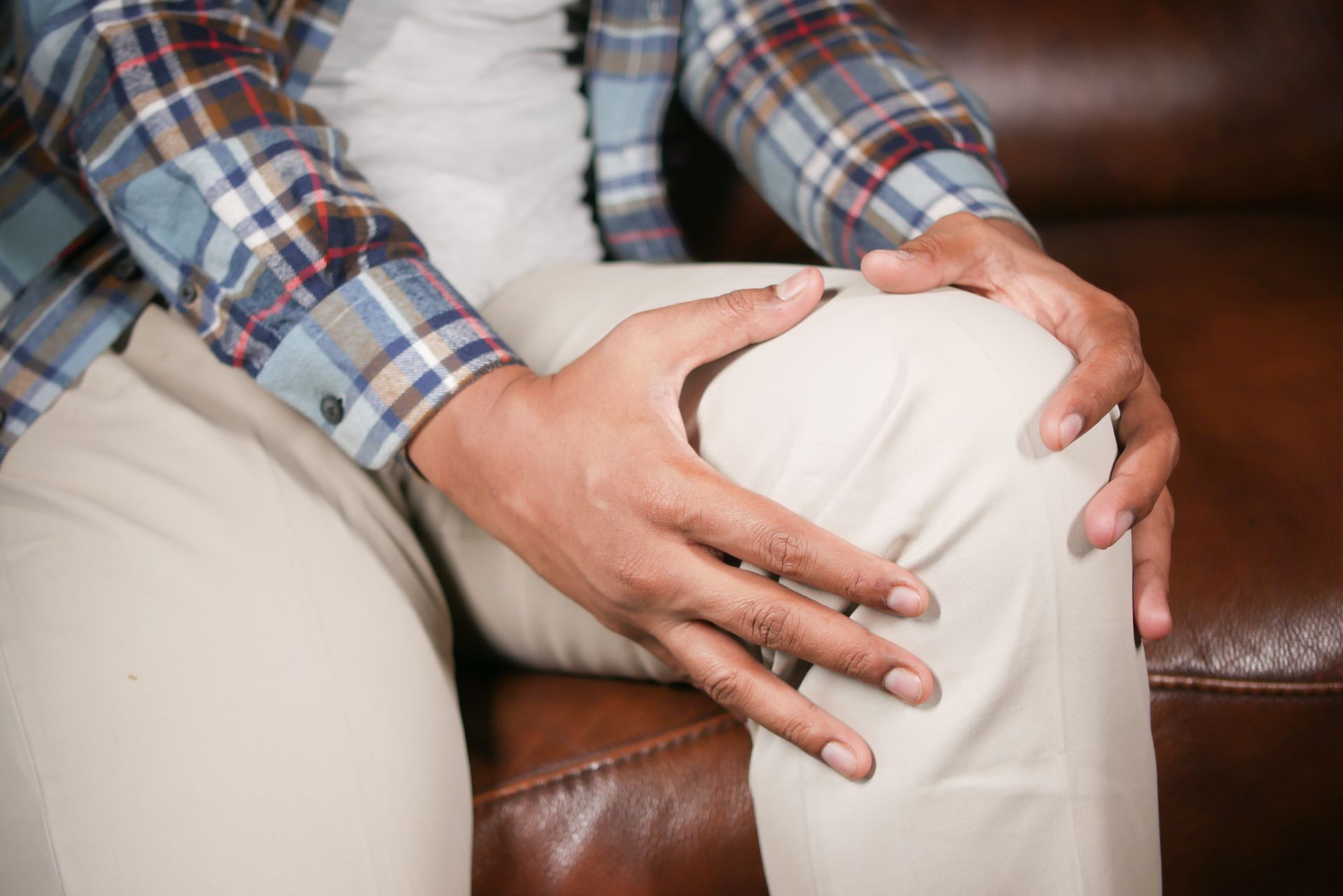
If your joints have been aching more than usual, stiffening up after a long sit, or making a grinding sound when you move, you might be wondering what's going on. Perhaps it started with a twinge in your knee after a morning walk, or a deep stiffness in your fingers when you first wake up. These feelings can be unsettling — yet they're also easy to dismiss as "just getting older."
The truth is, millions of people across the UK are living with osteoarthritis — many of them
without a formal diagnosis. Around 8.75 million people in the UK have sought treatment for the condition (Versus Arthritis, 2023), making it the
most common form of arthritis in the country. And yet, for many, it takes years to understand what those early signs actually mean.
This article is here to change that. We'll walk you through what osteoarthritis is, what's happening inside your joints, the signs to watch for, how your GP approaches a diagnosis, and — crucially — what you can do right now to support your joint health in a way that feels manageable and sustainable.
What Is Osteoarthritis?
Osteoarthritis is a condition that affects the joints — the places where two bones meet and move against one another. Under normal circumstances, the ends of your bones are coated in a smooth, supple tissue called cartilage, which acts as a cushion and allows your joints to glide freely. In osteoarthritis, this protective cartilage gradually breaks down and wears away.
As the cartilage thins, the joint loses some of its ability to absorb shock and move with ease. Over time, changes may occur in the bone beneath the cartilage, and small bony growths — sometimes called bone spurs or osteophytes — can form around the edges of the joint. In some cases, the tissue lining the joint (the synovium) may also become mildly inflamed, which can add to the discomfort you feel.
Osteoarthritis is often described as a "wear and repair" condition — the joint is under continuous low-level stress, and in OA, the body's ability to fully repair the damage doesn't keep pace with the wear taking place. Researchers now recognise it as a whole-joint disease, involving the cartilage, bone, surrounding ligaments, and joint lining — rather than simply cartilage deterioration in isolation (Hunter & Bierma-Zeinstra, 2019).
Importantly, osteoarthritis is not an inevitable part of ageing. Many people reach their seventies and eighties without developing it, while others experience it in their forties or even younger, particularly following injury. Knowing this matters — because it means the choices you make about your movement, weight, and lifestyle do have genuine bearing on your joint health.
What Is Actually Happening Inside the Joint?
Understanding the mechanics behind osteoarthritis can make the experience feel less mysterious — and less frightening.
When your cartilage begins to break down, several things may happen simultaneously. The bone beneath it can become thicker and harder. Fragments of bone or cartilage may float within the joint space. The shape of the joint can change over time, affecting how your body distributes weight and movement through it. The muscles surrounding the joint may gradually weaken if you've been reducing activity to manage discomfort — which, in turn, places more stress on the joint itself, potentially creating a cycle that can feel difficult to step out of.
It's worth understanding that these changes don't happen overnight. Osteoarthritis tends to develop slowly, and many people experience no symptoms at all in the early stages. Research also shows something that surprises many people: the degree of structural change visible on an X-ray does not always correspond to the level of pain a person experiences (NHS Inform, 2026). Some people show significant changes on imaging but manage day-to-day life well; others have more modest structural changes but experience more pronounced discomfort. Pain in OA is shaped by many factors — not just the state of the cartilage.
Who Tends to Develop Osteoarthritis?
Osteoarthritis can affect anyone, but certain factors appear to make its development more likely. Research suggests the following may play a role:
Age. The risk of developing OA tends to increase with age, particularly from the mid-40s onward. This is thought to be linked to the gradual accumulation of joint stress over time, alongside the body's reduced capacity to repair cartilage as we get older.
Sex. Women appear to be more commonly affected than men, particularly after the age of 50. Hormonal factors — including changes related to the menopause — are thought to contribute to this increased vulnerability, though research in this area is ongoing.
Family history. Genetics may play a role. If a close family member has OA, you may have a higher likelihood of developing it — though having a family history is by no means a certainty.
Previous injury. A joint that has been injured in the past — through an accident, sporting activity, or surgery — may be more susceptible to osteoarthritis later in life, even if the initial injury appeared to heal fully at the time. This is why OA can sometimes appear in younger people who have had significant joint trauma (NIAMS, 2025).
Body weight. Carrying excess weight places greater mechanical load on weight-bearing joints such as the knees and hips. Research also suggests that fat tissue may produce compounds that contribute to low-grade inflammation, which could have additional effects on joint health beyond the simple mechanics of load-bearing (Mayo Clinic, 2025).
Occupation and repetitive movement. Certain jobs or physical activities that involve repetitive joint stress — particularly heavy lifting, sustained kneeling, or prolonged physical strain — may raise the risk of OA developing in those specific joints over time.
It's important to note that having one or more of these risk factors does not mean osteoarthritis is inevitable. Many people with several risk factors never develop the condition, while others develop it without any obvious predisposing factors at all.
Recognising the Signs of Osteoarthritis
Osteoarthritis can affect any joint in the body, but it most commonly develops in the knees, hips, hands, and the small joints of the spine. Its symptoms tend to appear gradually and may vary in their intensity from day to day, week to week, and even in response to weather or activity levels.
Here are the signs most commonly associated with osteoarthritis:
Joint Pain
Pain is the most characteristic symptom of OA. It tends to worsen with activity — particularly after walking, climbing stairs, or using your hands intensively for a sustained period — and may improve with rest. In the earlier stages, pain often comes and goes. In more advanced stages, some people find that discomfort is present even at rest, or during the night when the joint is not being used.
Morning Stiffness and Stiffness After Rest
Stiffness is especially common first thing in the morning or after sitting still for a long stretch. The joint may feel locked or resistant to movement until it has had a chance to "warm up" with gentle use. In osteoarthritis, this stiffness typically eases within 30 minutes — which is a medically useful distinction from other types of arthritis, where stiffness often persists for much longer (NHS, 2024).
Swelling and Tenderness
The joint area may feel tender to the touch or appear slightly puffy, particularly after a period of more intense activity. This can come and go, and is often related to the level of activity you've undertaken in the days before.
A Grating, Clicking, or Crackling Sensation
You may hear or feel a grinding or crackling sensation — sometimes called crepitus — as you move the affected joint. This occurs because the surfaces of the joint are moving against one another with less smooth cushioning than before. While it can feel alarming, crepitus alone is not always a sign that something serious is happening.
Reduced Range of Movement
Over time, you may notice that a joint doesn't move as freely or as fully as it once did. You might find it harder to fully straighten a knee, reach behind your back, bend forward without discomfort, or turn your head to one side. This gradual reduction in mobility is worth paying attention to and raising with your GP.
Changes in the Appearance of the Joint
In the hands particularly, osteoarthritis can cause the joints of the fingers or thumbs to appear enlarged, bony, or slightly misshapen over time. Small bony nodules — known as Heberden's nodes at the fingertips and Bouchard's nodes at the middle joints of the fingers — may develop. Fingers can occasionally lean slightly to one side at the affected joint.
Muscle Weakness Around the Joint
If you've been avoiding using a painful joint, the muscles that support it may gradually weaken. This matters because strong, well-conditioned muscles around a joint play a significant protective role — helping to reduce the mechanical load the joint itself has to bear. This is one of the reasons why maintaining movement, even when discomfort is present, is so strongly supported by research.
When the Signs Point Somewhere Else
Not all joint pain is caused by osteoarthritis, and it's worth understanding the broader picture.
Rheumatoid arthritis is an autoimmune condition where the body's immune system attacks the joint lining. Unlike osteoarthritis, rheumatoid arthritis typically causes stiffness that lasts for considerably longer than 30 minutes in the morning, tends to affect joints on both sides of the body symmetrically, and may come with broader symptoms such as significant fatigue, a general feeling of being unwell, and occasionally a low-grade fever.
Gout produces sudden, intensely painful joint episodes — often centred on the big toe — caused by a build-up of uric acid crystals within the joint. Episodes typically come on quickly and resolve over days to weeks.
Psoriatic arthritis, which can develop in people with the skin condition psoriasis, may present with joint pain and stiffness, sometimes alongside nail changes and skin symptoms.
If you notice that your joint pain is accompanied by prolonged morning stiffness, soft warm swelling rather than bony changes, significant fatigue, or symptoms affecting multiple joints simultaneously, it's particularly important to speak to your GP promptly. These features may suggest a form of inflammatory arthritis that requires a different — and often more time-sensitive — treatment approach.
How Does a GP Diagnose Osteoarthritis?
Diagnosing osteoarthritis begins with a conversation. Your GP will ask about your symptoms — how long you've had them, which joints are affected, what makes them better or worse — and will carry out a physical examination, checking your range of movement, feeling for tenderness or bony changes around the joint, and assessing the strength of the muscles supporting it.
In many cases, a clinical diagnosis can be made on the basis of your symptoms and physical examination alone.
NHS guidance indicates that X-rays are not always necessary to diagnose OA, though they may be used to assess the degree of structural change or to rule out other conditions. Blood tests may be requested to check for signs of systemic inflammation or to rule out rheumatoid arthritis and other joint conditions.
There is no single test that definitively "confirms" osteoarthritis. Diagnosis rests on a clinical picture built from your history, examination, and — where appropriate — targeted investigations. This is precisely why a proper assessment from your GP is far more informative than drawing conclusions based on symptoms alone, and why seeking that assessment early is always worthwhile.
Living Well With Osteoarthritis
One of the most important things to understand about an OA diagnosis is this: osteoarthritis is a long-term condition, but it is very much a manageable one. It does not necessarily worsen over time, and many people continue to live full, active lives with the right support and self-management strategies in place.
The NHS confirms that while OA cannot be "cured," symptoms can improve meaningfully with the right approach (NHS, 2024). The goal of management is to keep your joints moving, reduce pain, and maintain your quality of life — and the evidence for lifestyle-based approaches to achieving that is both robust and encouraging.
What You Can Do to Support Your Joint Health
Keep Moving — Gently and Consistently
This may feel counterintuitive when your joints are sore, but regular, low-impact movement is one of the most well-supported strategies for managing osteoarthritis. Research consistently shows that physical activity can reduce pain and stiffness, improve joint function, and support mental wellbeing alongside physical health (Huffman et al., 2024).
You don't need intense workouts. Low-impact activities such as walking, swimming, cycling, and water aerobics are widely recommended and
can be adapted to suit your current level of comfort and fitness. Even modest, consistent daily movement can make a meaningful difference over time.
Strength training — whether with body weight, resistance bands, or light weights — may also play a valuable role. Building stronger muscles around an affected joint helps reduce the load the joint itself carries, which may translate to less pain and better stability.
Mind-body movement practices such as yoga and tai chi are also worth considering. A 2024 meta-analysis of 17 randomised controlled trials found that mind-body exercise programmes lasting eight weeks or more were associated with meaningful reductions in pain, stiffness, and reduced function in people with osteoarthritis (Qiao et al., 2024). These approaches combine movement with breathing and focused attention, which may offer additional benefits for stress and emotional wellbeing.
If you're unsure where to begin with movement, a physiotherapist can work with you to build a personalised programme suited to your affected joints, your current fitness level, and your goals.
Look at Your Weight
If you are carrying excess weight, even a modest reduction may lead to noticeable improvements in joint pain — particularly in the knees and hips. The mechanics are straightforward: less load through the joint means less wear and less discomfort. A GP, dietitian, or wellness professional can help you find a sustainable, nourishing approach that works for your body without placing additional stress on your system.
Prioritise Sleep
Sleep and pain are closely connected. Poor sleep can lower your pain threshold, making symptoms feel more intense and harder to manage. If pain is affecting your sleep quality, it is well worth raising this with your GP as part of your broader management plan.
Support Your Mental Wellbeing
Living with a chronic joint condition can take a real psychological toll — and that is completely understandable. It is normal to feel frustrated when your body doesn't move the way you want it to, or to experience periods of low mood when pain makes daily activities harder.
Research consistently shows that psychological wellbeing and physical outcomes in OA are closely linked. Addressing emotional health is not a secondary concern — it is a central part of looking after yourself with a condition like this (Bennell et al., 2015). If you notice that pain or mobility changes are affecting your mood, your relationships, or your ability to take part in things you enjoy, speaking to your GP or a wellbeing professional is a positive and meaningful step.
When to Speak to Your GP
Please speak to your GP if:
You have persistent joint pain or stiffness lasting more than a few weeks- Your symptoms are getting in the way of daily activities or things you enjoy
- You notice significant swelling, warmth, or redness around a joint
- Your symptoms came on suddenly, or are accompanied by fatigue or a general feeling of being unwell
- You are unsure whether your symptoms might be related to osteoarthritis or another condition
Early conversations with your GP tend to lead to better outcomes. The sooner your symptoms are properly assessed, the sooner you can begin building a management plan that works for you — whether that involves physiotherapy, lifestyle changes, pain relief strategies, or a thoughtful combination of approaches.
Moving Forward
An osteoarthritis diagnosis does not have to mean a smaller life. With the right information, the right professional support, and a thoughtful approach to your daily habits, there is a great deal you can do to stay active, comfortable, and well.
At Nature's Pure Love, we believe in supporting your whole-person wellbeing — including your joint health. If you're curious about how natural and holistic approaches might complement the care you receive from your GP, we'd love to hear from you.
Book a free consultation with our team today.
References
Bennell, K. L., Ahamed, Y., Jull, G., Bryant, C., Hunt, M. A., Forbes, A. B., Egerton, T., Kenardy, J., Bowles, K. A., Kasza, J., & Hinman, R. S. (2015). Physical therapist–delivered pain coping skills training and exercise for knee osteoarthritis. Arthritis Care & Research, 68(5), 590–602.
Huffman, K. F., Ambrose, K. R., Nelson, A. E., Allen, K. D., Golightly, Y. M., & Callahan, L. F. (2024). The critical role of physical activity and weight management in knee and hip osteoarthritis: A narrative review.
The Journal of Rheumatology, 51(3), 224–233.
https://doi.org/10.3899/jrheum.2023-0819
Hunter, D. J., & Bierma-Zeinstra, S. (2019). Osteoarthritis.
The Lancet, 393(10182), 1745–1759.
Mayo Clinic. (2025).
Osteoarthritis: Symptoms and causes.
https://www.mayoclinic.org/diseases-conditions/osteoarthritis/symptoms-causes/syc-20351925
National Health Service. (2024).
Osteoarthritis.
https://www.nhs.uk/conditions/osteoarthritis/
National Health Service. (2024).
Osteoarthritis — Symptoms.
https://www.nhs.uk/conditions/osteoarthritis/symptoms/
National Health Service. (2024).
Osteoarthritis — Diagnosis.
https://www.nhs.uk/conditions/osteoarthritis/diagnosis/
NHS Inform. (2026).
Osteoarthritis.
https://www.nhsinform.scot/illnesses-and-conditions/muscle-bone-and-joints/conditions-that-can-affect-multiple-parts-of-the-body/osteoarthritis/
National Institute of Arthritis and Musculoskeletal and Skin Diseases. (2025).
Osteoarthritis: Symptoms, causes and risk factors.
https://www.niams.nih.gov/health-topics/osteoarthritis
Qiao, X., et al. (2024). Mind–body exercise and osteoarthritis outcomes: A meta-analysis of 17 randomised controlled trials. Cited in: Sams, L., et al. (2025). Lifestyle interventions and supplements for joint and arthritis pain: A narrative review.
PMC.
https://pmc.ncbi.nlm.nih.gov/articles/PMC12618219/
Versus Arthritis. (2023).
Osteoarthritis in general practice.
https://www.arthritis-uk.org/media/2115/osteoarthritis-in-general-practice.pdf
Frequently Asked Questions